
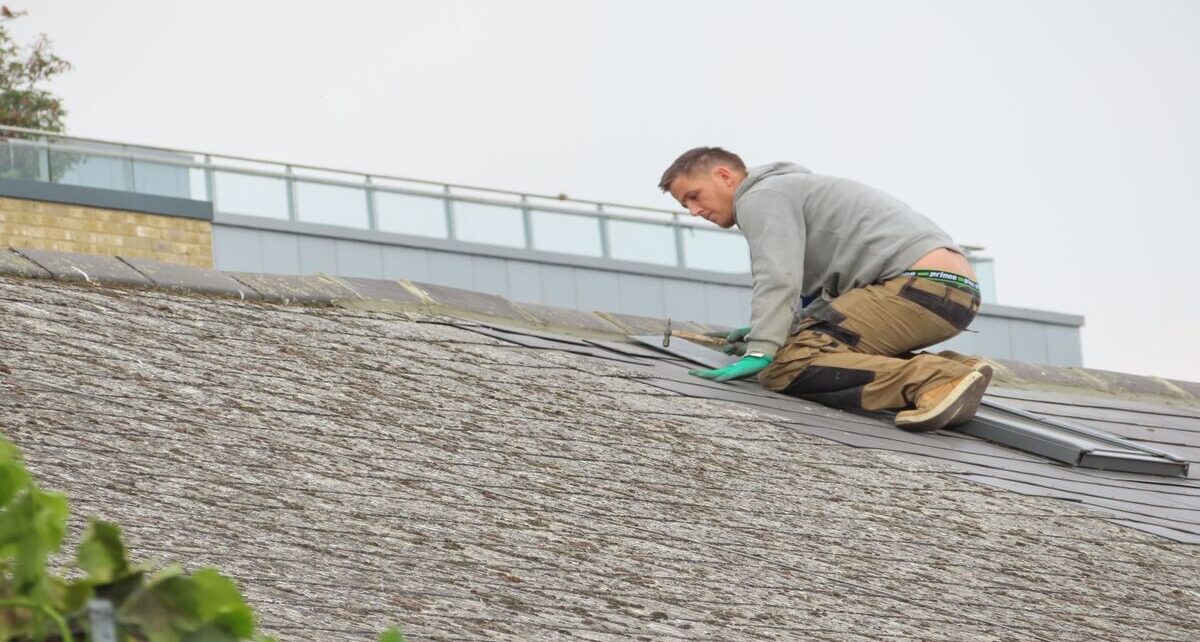
Most homeowners don’t think about their roof. Not until water drips onto the kitchen table. Look, putting off overhead worries is just human nature while things stay dry inside. But living out west means wild weather shocks your home daily. Extreme heat, howling winds, and sudden rain cycles wreck local houses fast. Whether you’re in Tarneit, Point Cook, or booking a roof restoration in Deer Park, weather hits every street hard. And catching minor issues early saves you thousands down the track.
Understanding Roof Types in Western Melbourne Homes
Every roofing material reacts differently to Western Melbourne’s climate patterns. Knowing what sits on your timber frame helps you spot trouble early. Before things turn ugly.
- Concrete & Terracotta Tiles: Older homes across established western suburbs usually feature classic tiled roofs. They look fantastic. But mortar bedding naturally breaks down over time. Tiles shift. You’ll want to check ridge caps for cracked mortar after heavy storms. Watch out for tiles that moved in gale-force winds. Porous tiles absorb moisture, while broken pointing lets water seep under battens fast.
- Colourbond & Metal Roofing: The latest estates in expanding suburbs prefer metal roofing due to its neat appearance. Metal is very durable in all kinds of weather. To be honest, it’s not maintenance-free. Washers and roof fasteners become damaged because of exposure to harsh UV rays. Loose fasteners and cracked sealant around chimney flashing should be expected. Be prepared for rust from the coastal breeze and thermal expansion sounds during extremely hot summer days.
Seasonal Roof Maintenance Checklist for Local Homeowners
Staying on top of seasons keeps your house bone dry year-round. You don’t need to spend every weekend on a ladder. Just set a quick calendar reminder.
- Autumn (Pre-Winter Preparation): The autumn season comes with massive amounts of fallen leaves. Clean gutters and roof valleys before rain falls, because blocked channels direct water under the tiles, leading to soaked ceiling plasterboard in your home.
- Winter & Spring Inspection: Winter throws nasty wind gusts across open plains. Once storms pass, step into the backyard and look up. Search for slipped tiles, lifted sheets, or bent flashing. If heavy storm damage shows up, organising a prompt roof repair in Deer Park stops dampness from rotting timber frames. Don’t wait.
- Summer Readiness: Summer sun bakes your roof for months on end. Check protective coatings and sealants before December hits. Extreme heat makes unsealed tiles brittle and splits old pointing fast.
Core Maintenance Focus Areas
Focusing on key high-risk spots gives your property the best protection. Neglecting them is usually why roofs fail early.
- Gutter & Downpipe Management: Rainwater needs a clear path off your house. Blocked downpipes make water pool, rusting metal gutters and flooding eave linings. Flush downpipes with a garden hose to clear hidden dirt clogs. Keep them clear.
- Ridge Cap & Mortar Repointing: Ridge caps take the brunt of strong winds. Over time, flexible pointing compound shrinks and flakes away. Re-pointing loose caps locks them back down so gusts can’t pry tiles off during heavy storms.
- Algae, Moss & Lichen Prevention: Shaded roof slopes often grow thick moss patches. Moss works like a damp sponge. It holds moisture directly against tiles, weakening their structure and causing hidden ceiling leaks. Treat growth early with soft-wash solutions to keep tiles strong.
DIY Visual Checks vs. Safe Professional Intervention
Working up high carries’ real danger. Knowing your limits keeps you safe on the ground.
- Secure ground-level and on-ladder (DIY): A set of binoculars enables a thorough visual check from the lawn. In this case, it will be possible to examine the condition of the gutters, ridge caps, and tiles without putting yourself at risk. Moreover, when using a ladder, its base should be placed on firm, level ground and not on a slope.
- When Safety Equipment Is Required: Let the professionals who have the correct safety equipment do the hard work. High-pressure cleaning, re-bedding, or complete roof restoration needs special people who know how to use the correct equipment for such work. It would not be wise to try doing the work alone if there is any risk of slipping on the sheets of the roof.
Conclusion:
Maintaining one’s roof is not difficult. However, persistence is what counts. Little things done today will save big troubles down the road. Strolling in one’s garden twice a year in fall and spring can help one notice early warning signs after storms. This way, one’s house will remain watertight, timbers will be safe, and the property will retain its value in West Melbourne.