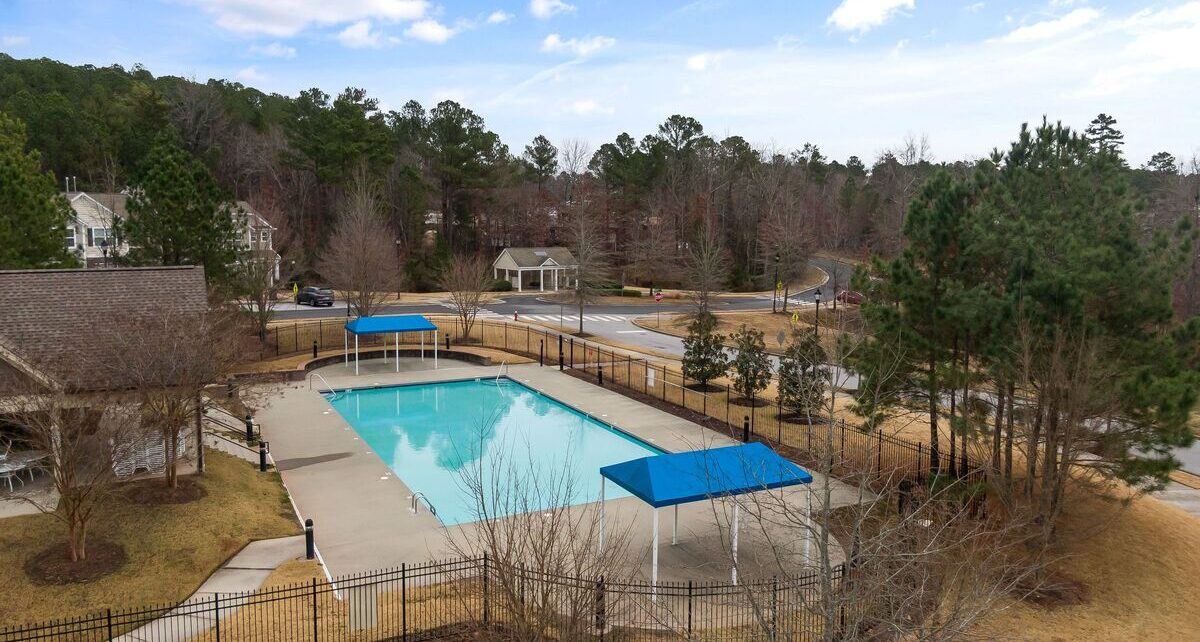
Picture this: it’s a scorching Saturday afternoon in Melbourne, the barbie is sizzling away, and the kids are causing an absolute ruckus in the pool. It is the ultimate Australian dream, especially when those stifling summer days finally roll in. We all know Melbourne’s weather is a law unto itself; four seasons in one day is the norm, but when those beautiful heatwaves hit, there is nothing better than cooling off in your own pool. But before you get swept up in picking gorgeous pool tiles, paving, or lush green landscaping, there is a massive hurdle you cannot afford to ignore. Getting your safety barrier sorted out isn’t just an aesthetic design choice; it’s a strict legal minefield. Getting the right pool fencing in Melbourne means playing by some of the absolute toughest safety rules in the country to keep our kids safe and secure.
Navigating the Victorian Pool Laws
No way around it: if your pool is holding over 300mm of water, there’s a barrier requirement you should comply with. Yes, even the inflatable waders of low cost from department stores are included in the barrier requirement. The councils in various Melbourne areas like Frankston, Casey or the Mornington Peninsula Shire are very strict when it comes to pool registrations. They do really care about backyard safety, clearly.
Here is how the Victoria compliance system works:
- Register: First up, register and log your pool or spa with your local council.
- Inspect: You must book an inspection with a registered building surveyor or inspector.
- Lodge: Once it passes, lodge your Form 23 barrier compliance certificate with the council.
This official compliance certificate is valid for a four-year cycle, meaning you will definitely need a formal re-inspection every four years. If you do not? The council can unquestionably charge you large fines, and the court-imposed penalties for non-compliant barriers can go as high as a stunning $21,000.
Staying Vigilant: Maintenance and Repairs
Don’t assume that because your fence was installed years ago, the law no longer applies to you. Constant exposure to splashing water, chlorine, and Melbourne’s notoriously unpredictable and wet winters will take their toll on any structure. You must stay alert to the signs. Pool safety and a casual “she’ll be right” attitude are not one and the same.
So, a gate that is not properly fixed, hinges that have rusted and posts that have become shaky are all signs that point towards fencing replacement. Under the Victorian Building Act, older pools are generally assessed against the standards of their construction era, but wear and tear that compromises basic structural integrity will earn you an instant fail from an inspector. No lenient exceptions are made for old age.
Choosing Your Style: Glass vs Aluminium
So, are you actually planning to put up what you call a fence? Well, for most residents living at home, only two options are considered:
- Aluminium Fencing: The number-one go-to fencing choice among Australians. It is durable, not affected by rust, and is really an easy-on-the-pocket fencing method that will cost around $90 to $180 per metre, including the installation. A dark matte black finish or Monument style looks really neat yet blends with the greens in the garden.
- Glass Fencing: The very top-of-the-range, modern selection. It is stunning and maintains your view completely free and unobstructed. Yet, you will be paying through the nose for a fence like this. Semi-frameless options range from about $200 to $370 per metre whilst the fully frameless setups range from $315 to $840 per metre.
Glass though, is like a super-quick fingerprint and water-splatter attractor, and this means that you would be cleaning every day for an extended period. Many homeowners end up compromising, using glass for the main entertainment areas and switching to cheaper aluminium along the back boundaries. It’s a fair dinkum way to balance your budget while still getting beautiful, highly durable fencing in Melbourne.
Common Traps That Lead to Failure
Here is a sobering fact: gate failures are by far the number one reason pools fail inspections in Victoria. Your gate must open outward, away from the water, and it must self-close and self-latch from any position. If your spring hinges have lost their bounce, it is a major hazard.
Keep an eye out for these other common slip-ups:
- Climbable objects: Garden chairs, pot plants, or barbecues sitting within the 900mm non-climbable zone. Kids will use absolutely anything as a step ladder.
- Ground gaps: Soil washing away or shifting pavers can leave a gap under the fence larger than 100mm.
Conclusion:
A few minutes of measuring the yard with a tape measure prior to the inspector’s arrival will save you a lot of money and headaches. After all, ensuring safety for your family members is an ongoing task; however, having a reliable pool fence is definitely your best option.