
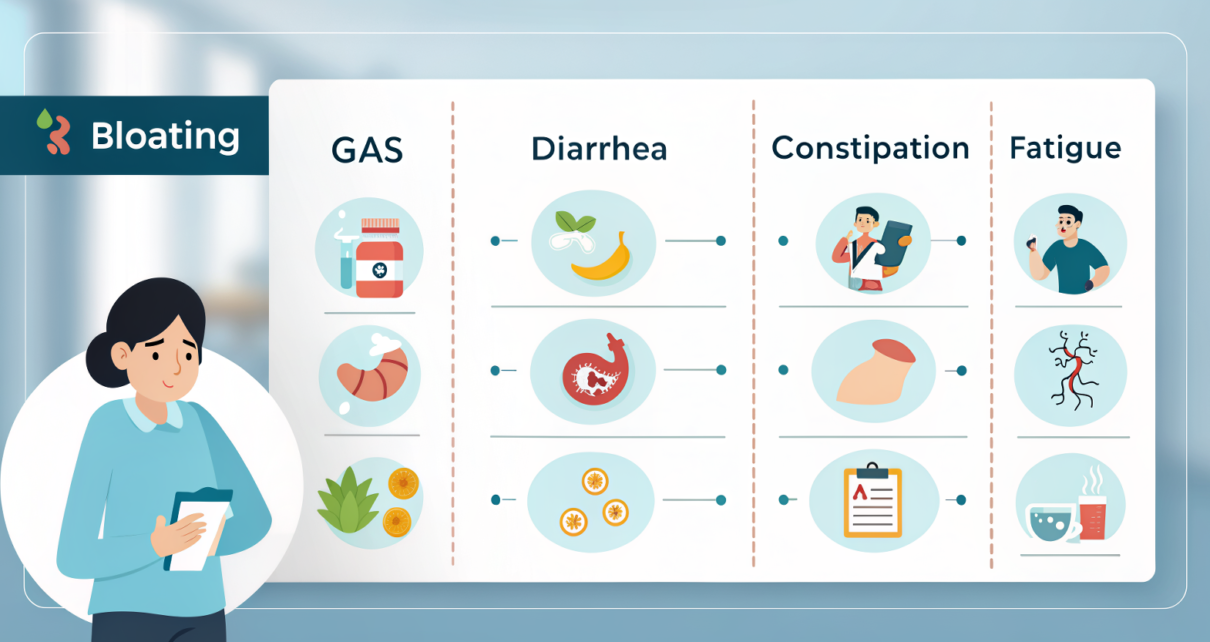
A healthy gut plays a vital role in digestion, immunity, and overall well-being. When your gut health is compromised, it can affect more than just your stomach — it can impact your mood, skin, and energy levels. Understanding the symptoms of an unhealthy gut is the first step toward restoring balance and maintaining digestive wellness.
1. Frequent Bloating and Gas
If you often experience excessive bloating, gas, or discomfort after meals, it could indicate an imbalance in your gut bacteria or poor digestion. Persistent bloating might also be linked to food intolerances or conditions like Irritable Bowel Syndrome (IBS).
2. Irregular Bowel Movements
Constipation, diarrhea, or alternating between the two are key signs that your digestive system is not functioning properly. A healthy gut should maintain regular, well-formed bowel movements without strain or urgency.
3. Abdominal Pain or Discomfort
Chronic stomach pain, cramps, or tenderness in the abdominal area can be a symptom of gut inflammation or an underlying gastrointestinal issue. If this persists, it’s best to seek guidance from the best gastroenterologist in Ghaziabad for a proper diagnosis.
4. Unexplained Fatigue
Your gut health influences nutrient absorption and energy production. An unhealthy gut can lead to nutrient deficiencies, leaving you feeling tired and sluggish even after adequate rest.
5. Skin Problems
Conditions such as acne, eczema, or rashes can sometimes be traced back to gut imbalances. When toxins aren’t properly eliminated through the digestive system, they may surface through your skin.
6. Food Intolerances
If you frequently react negatively to certain foods — such as dairy, gluten, or spicy meals — your gut may be struggling to process them properly. This intolerance could be due to reduced enzyme production or inflammation in the gut lining.
7. Mood Swings and Anxiety
The gut and brain are closely connected through the gut-brain axis. Poor gut health can disrupt neurotransmitter production, leading to mood swings, irritability, or even anxiety and depression.
8. Bad Breath or a Coated Tongue
An imbalance in gut bacteria can contribute to halitosis (bad breath) or a white coating on the tongue. This is often a sign of digestive stagnation or poor detoxification.
How to Restore Gut Health
Improving gut health starts with small lifestyle changes:
- Eat a fiber-rich diet with fruits, vegetables, and whole grains.
- Include probiotics (like yogurt or kefir) and prebiotics (like bananas, garlic, and onions).
- Stay hydrated and manage stress through yoga or meditation.
- Avoid processed foods, excessive sugar, and alcohol.
If your symptoms persist despite lifestyle changes, it’s essential to consult the best gastroenterologist in Ghaziabad for expert evaluation. They can help identify underlying digestive conditions and recommend personalized treatments for long-term relief.
Conclusion
Your gut health affects every aspect of your body — from digestion to mental clarity. Recognizing the symptoms of an unhealthy gut and seeking timely medical advice can prevent chronic digestive issues and improve your quality of life.
For advanced gastrointestinal care and expert diagnosis, reach out to the best gastroenterologist in Ghaziabad to ensure your gut stays healthy and balanced.