
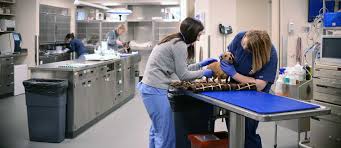
Critical health situations in pets can arise suddenly and escalate rapidly. Conditions such as severe infections, trauma, organ failure, or poisoning require immediate medical attention and expert handling. In such scenarios, the quality of care a pet receives can directly impact survival outcomes.
A well-equipped Veterinary Hospital plays a vital role in improving survival rates by providing advanced medical infrastructure, trained professionals, and rapid response systems. These facilities are specifically designed to handle life-threatening cases with precision and efficiency.
Importance of Immediate Medical Response
Rapid Triage System
Veterinary hospitals follow a structured triage process where pets are assessed quickly based on the severity of their condition. This ensures that critical cases receive immediate attention without delay.
Early Stabilization
Stabilizing vital functions such as breathing, heart rate, and circulation is the first step in saving a pet’s life. Quick intervention at this stage significantly improves survival chances.
Advanced Emergency Infrastructure
Availability of Critical Equipment
Veterinary hospitals are equipped with oxygen support systems, monitoring devices, and emergency medical tools that are essential in life-threatening situations.
Dedicated Emergency Units
Separate emergency care units allow continuous monitoring and immediate treatment without interruption.
Role of Skilled Veterinary Teams
Experienced Professionals
Veterinary hospitals have trained doctors, surgeons, and support staff who specialize in handling critical cases.
Team-Based Approach
Complex emergencies often require collaboration between multiple specialists, ensuring comprehensive care.
Continuous Monitoring and Intensive Care
ICU Support
Critically ill pets are placed in intensive care units where their vital signs are continuously monitored.
Real-Time Intervention
Any sudden changes in condition are addressed immediately, reducing the risk of complications.
Use of Advanced Diagnostic Tools
Quick and Accurate Testing
Rapid blood tests and diagnostic procedures help identify the root cause of the condition quickly.
Imaging for Internal Issues
X-rays and ultrasounds allow veterinarians to detect internal injuries, bleeding, or organ damage.
Emergency Surgical Capabilities
Immediate Surgical Intervention
In cases like internal bleeding or severe trauma, surgery may be required to save the pet’s life.
Controlled Surgical Environment
Veterinary hospitals maintain sterile operating rooms to ensure safe and effective procedures.
Effective Pain and Stress Management
Pain Control
Managing pain is essential in stabilizing pets and preventing further distress.
Reducing Anxiety
A calm and controlled environment helps pets remain stable during treatment.
Handling Poisoning and Toxic Exposure
Fast Identification of Toxins
Quick diagnosis of the toxin involved helps determine the right treatment approach.
Immediate Detoxification
Procedures such as induced vomiting or antidote administration are performed promptly.
Importance of Fluid and Shock Management
Stabilizing Circulation
Intravenous fluids are used to maintain blood pressure and hydration levels.
Preventing Organ Failure
Timely fluid therapy helps protect vital organs during critical conditions.
Post-Critical Recovery Support
Continuous Observation
Even after stabilization, pets require close monitoring to ensure recovery continues smoothly.
Gradual Recovery Planning
Veterinary teams create structured recovery plans based on the pet’s condition.
Role of Technology in Improving Survival Rates
Modern veterinary hospitals use advanced monitoring systems and diagnostic tools to improve accuracy and speed of treatment, directly contributing to better outcomes.
Importance of Early Intervention
The sooner a pet receives medical care, the higher the chances of survival. Delays can lead to complications that are harder to manage.
Communication with Pet Owners
Transparent Updates
Veterinarians keep pet owners informed about the condition and treatment progress.
Guided Decision-Making
Clear communication helps owners make timely and informed decisions during critical situations.
Preventing Future Critical Situations
Regular Health Check-Ups
Routine visits help detect potential issues before they become life-threatening.
Preventive Care
Vaccinations, nutrition, and regular monitoring reduce the risk of emergencies.
Emotional Support for Pets and Owners
Critical cases are stressful for both pets and their owners. Veterinary teams provide reassurance and support throughout the treatment process.
Trusted Veterinary Support
Modern pet healthcare providers like Vetic focus on advanced emergency care, continuous monitoring, and structured treatment protocols to improve survival rates in critical cases. Their integrated approach ensures pets receive timely and effective medical attention when it matters most.
Conclusion
Veterinary hospitals play a crucial role in improving pet survival rates during critical situations. With rapid response systems, advanced diagnostics, skilled professionals, and continuous monitoring, they provide life-saving care when every second counts. Choosing the right facility and acting quickly can make a significant difference in ensuring a pet’s recovery and long-term health.