
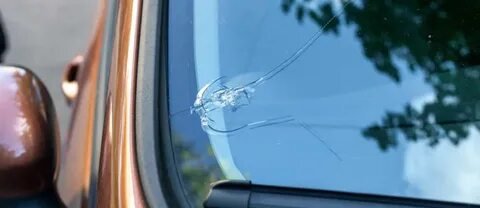
When I first notice a crack or chip on my windshield, my immediate concern is whether it is still safe to drive or if I should stop using the vehicle right away. In many cases, small damage seems harmless, but it can spread quickly due to temperature changes, road vibration, or even minor impacts. I once discussed this with a technician during a visit for car repair Calgary work at Heritage AutoPro and Tire, and it changed how I view windshield damage entirely. What looks like a simple chip can reduce visibility, weaken structural integrity, and compromise safety systems. The real solution is understanding the severity of the damage early, since timely repair or replacement often prevents bigger risks on the road.
Why windshield damage should never be ignored
A windshield is not just a piece of glass. It plays a key structural role in vehicle safety. Modern windshields are made from laminated safety glass, which includes layers designed to hold together during impact. The Windshield supports roof strength during a rollover and helps airbags deploy correctly.
Even a small crack weakens this structure. I have seen cases where a minor chip turned into a long fracture within days due to heat or potholes. Once that happens, repair becomes more difficult and sometimes impossible.
Types of windshield damage I usually come across
Not all cracks or chips are equal. From what I have observed, the severity depends on size, location, and depth.
Common types include:
- Chip damage: Small impact point, often caused by gravel or debris
- Edge cracks: Start near the frame and spread quickly
- Bullseye cracks: Circular damage from direct impact
- Star cracks: Multiple lines spreading from a central point
- Long cracks: Extend across the windshield and reduce visibility significantly
Even small imperfections can grow over time, especially when exposed to temperature changes or road vibrations.
Is it safe to drive with a cracked windshield?
The short answer is it depends on the size and location of the damage. However, from my experience, safety is always compromised to some extent.
Driving with windshield damage can lead to:
- Reduced visibility, especially at night or in rain
- Weak structural support during collisions
- Increased risk of glass shattering in impact
- Distortion of road view causing delayed reaction time
- Legal issues in some regions if damage obstructs the driver’s view
If the crack is directly in the driver’s line of sight, I treat it as an urgent repair situation rather than something to delay.
How weather conditions make it worse
Temperature changes play a big role in spreading cracks. I have noticed that hot sunlight during the day followed by cool nighttime temperatures causes glass to expand and contract. This stress makes existing damage worse.
Other environmental factors include:
- Cold weather causing contraction of glass
- Road vibrations from rough surfaces
- Moisture entering cracks and freezing in winter
- Sudden pressure changes from slamming doors
These conditions accelerate the spread of even minor chips.
When repair is possible and when replacement is needed
In my experience, not all damage requires full windshield replacement. Small chips can often be repaired if treated early.
Repair is usually possible when:
- Damage is smaller than a coin
- Crack is not in the driver’s direct line of sight
- Inner layer of glass is not damaged
- No spreading lines from the impact point
Replacement becomes necessary when:
- Cracks are long or spreading
- Damage reaches windshield edges
- Visibility is significantly affected
- Multiple chips are present
Modern repair techniques use resin to fill chips and prevent further spreading, restoring strength and clarity in many cases.
Role of windshield in modern vehicle safety systems
Today’s vehicles rely heavily on sensors and cameras mounted near or on the windshield. The Windshield is often integrated with advanced driver assistance systems, including lane detection and collision warning features.
If the glass is damaged or improperly repaired, it can affect calibration and system accuracy. This is especially important in newer vehicles where even slight distortion can interfere with camera alignment.
What I personally look for before deciding to drive
Whenever I notice windshield damage, I quickly evaluate a few key factors:
- Size of the crack or chip
- Whether it is spreading over time
- Location in relation to driver’s view
- Weather conditions that might worsen it
- Any change in visibility while driving
If any of these indicators suggest risk, I avoid long-distance driving until it is inspected.
Risks of delaying repair
One mistake I have seen often is delaying small repairs. What starts as a tiny chip can turn into a full windshield replacement if ignored. This not only increases cost but also raises safety risks.
Delaying repair can lead to:
- Rapid crack expansion
- Reduced vehicle safety during accidents
- Failed vehicle inspections in some regions
- Higher replacement costs compared to early repair
Final thoughts from my experience
From what I have seen over time, driving with a cracked or chipped windshield is never fully safe, even if the damage appears minor. The real issue is unpredictability. A small change in temperature, a bump in the road, or a minor impact can quickly worsen the situation.
I have learned to treat windshield damage as a priority safety concern rather than a cosmetic issue. Early inspection and repair not only protect visibility but also maintain the structural integrity of the vehicle, which is critical for safe driving.


