
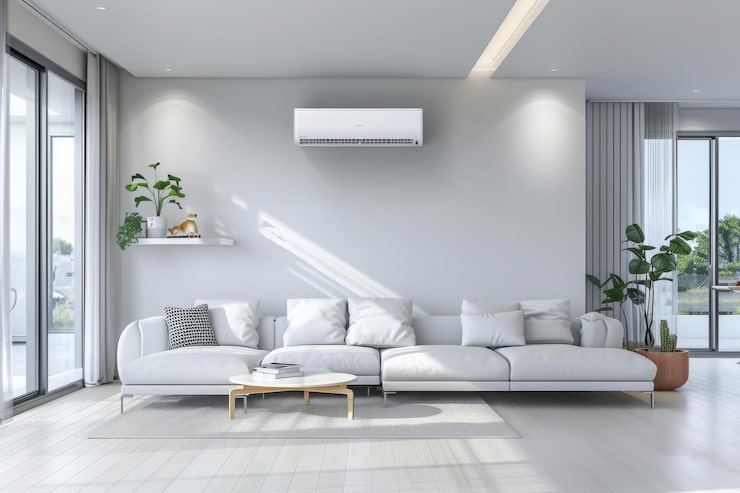
Hungary’s residential cooling requirements are receiving increasing attention as warmer summers, prolonged heat periods, and changing household comfort expectations influence appliance purchasing decisions. Traditionally, heating has occupied a more prominent position in the country’s household energy requirements. However, rising summer temperatures and the increasing frequency of extreme heat conditions are strengthening the relevance of residential air conditioning. This shift is encouraging households to consider dedicated cooling equipment and multifunctional climate-control systems.
According to a Vyansa Intelligence report, the Hungary Room Air Conditioners Market was valued at USD 374.59 Million in 2025 and is projected to reach USD 498.18 Million by 2032, registering a CAGR of 4.16% during 2026-2032. The sector’s development reflects increasing cooling requirements, residential modernization, technology adoption, and growing attention toward energy-efficient appliances.
Rising Heat Stress Supports Residential Cooling Demand
Hungary’s changing climatic conditions are influencing the demand for indoor temperature management. Warmer summers and prolonged heat events increase the need for residential cooling, particularly in urban environments where buildings can retain heat and experience higher indoor temperatures.
The Hungarian Meteorological Service, HungaroMet, monitors national climate conditions and provides information on temperature changes and extreme weather events. These developments are relevant to residential cooling because household comfort increasingly depends on the ability to manage indoor temperatures during warmer periods.
The International Energy Agency’s assessment of Hungary’s climate resilience also identifies increasing summer temperatures and more frequent extreme heat events as factors that could raise cooling requirements and electricity demand.
Apartments, detached houses, and renovated residential properties have different cooling requirements depending on insulation, building orientation, window exposure, ventilation, and room configuration. These differences influence equipment capacity, installation preferences, and purchasing decisions.
Split Air Conditioners Address Diverse Residential Requirements
Product configuration is an important factor influencing purchasing preferences. Split air conditioning systems are particularly relevant to residential applications because they provide room-specific cooling, flexible installation, and relatively quiet indoor operation.
Wall-mounted split systems can serve bedrooms, living rooms, and home offices, while multi-split configurations offer cooling across several rooms through connected indoor units. These systems are suitable for households seeking permanent cooling infrastructure.
Portable air conditioners provide an alternative for consumers requiring flexible installation or temporary cooling. Window-based equipment can also address specific building configurations where permanent split-system installation is less practical.
The growing preference for multifunctional equipment is another important consideration. Reversible air conditioning systems can provide both cooling and heating, allowing households to use the same appliance across different seasonal requirements. This functionality can improve product versatility and expand the relevance of air conditioning beyond summer applications.
Energy Efficiency Influences Equipment Purchasing
Electricity consumption and operating expenditure remain important considerations for Hungarian households. Consumers increasingly evaluate appliances according to energy efficiency, cooling performance, sound levels, and expected operating costs.
Inverter compressor technology provides manufacturers with an important product differentiation opportunity. Variable-speed operation allows compressors to adjust output according to cooling requirements, supporting more consistent indoor temperatures and efficient operation under suitable conditions.
European Union Ecodesign and energy-labelling requirements also influence product development and distribution. Applicable regulations establish minimum energy-performance requirements and require information on energy efficiency, electricity consumption, and sound levels. The European Product Registry for Energy Labelling provides additional technical information for consumers and market participants.
Latest market analysis indicates that energy performance is becoming an important consideration when households compare residential cooling equipment. Manufacturers that combine efficient compressors, intelligent temperature controls, and competitive operating characteristics can strengthen their product positioning.
Smart Cooling and Building Integration Drive Product Evolution
Technology development is expanding the functionality of residential air conditioning equipment. Smart connectivity, remote temperature adjustment, programmable operating schedules, and automated cooling modes are becoming relevant features for households seeking greater control over indoor environments.
Wi-Fi-enabled systems allow users to manage cooling remotely through compatible applications. These capabilities can support more flexible appliance operation, particularly in households with changing occupancy patterns or multiple cooling zones.
Integration with smart building systems represents another opportunity. Connected thermostats, temperature sensors, and automated controls can coordinate cooling operation with indoor conditions and household preferences. These capabilities are particularly relevant to renovated properties and modern residential developments incorporating intelligent energy-management solutions.
Industry analysis also highlights the importance of refrigerant innovation. Manufacturers must consider environmental performance, equipment compatibility, servicing requirements, and regulatory compliance when introducing new cooling technologies.
Distribution Channels Influence Market Accessibility
Distribution networks play an important role in connecting manufacturers with residential consumers. Appliance retailers, specialist cooling equipment stores, electrical distributors, and authorized dealers provide technical consultation and product-selection assistance.
Online retail channels are also expanding product accessibility. Consumers can compare specifications, energy labels, cooling capacities, and installation requirements before making purchasing decisions. Manufacturer websites further support product discovery through technical documentation and information about available configurations.
Installation and maintenance remain important competitive considerations. Fixed air conditioning systems require appropriate equipment sizing, professional installation, and refrigerant handling. Retailers offering integrated installation, warranty assistance, and maintenance services can strengthen customer relationships and improve purchasing confidence.
Opportunities and Challenges Shaping Future Demand
The Hungary Room Air Conditioners Market presents opportunities through residential renovation, replacement purchases, smart cooling adoption, and growing awareness of indoor thermal comfort. Households upgrading older properties may consider air conditioning alongside insulation improvements, ventilation, and solar shading.
However, the country’s traditionally heating-oriented residential energy requirements create a distinctive commercial challenge. Some households may perceive air conditioning as a seasonal purchase rather than an essential appliance. Initial equipment expenditure, electricity consumption, and installation costs can also influence purchasing decisions.
Refrigerant regulations introduce additional supply-chain considerations. Regulation (EU) 2024/573 strengthens requirements concerning fluorinated greenhouse gases, affecting equipment manufacturers, importers, distributors, and servicing businesses. Suppliers must therefore align product portfolios and sourcing strategies with evolving environmental compliance requirements.
For manufacturers, balancing affordability, energy performance, and regulatory compliance will remain important. Distributors can strengthen their positioning through technical expertise, reliable installation services, and access to compatible replacement components.
Future Industry Direction
The future direction of Hungary’s residential cooling sector will depend on changing climatic conditions, household modernization, energy-efficiency expectations, and technological innovation. Reversible air conditioners, inverter compressors, connected controls, and environmentally compatible refrigerants are likely to remain important areas of product differentiation.
Manufacturers will need to address differences in residential building characteristics and consumer purchasing priorities. Retailers and installation specialists can capture opportunities by providing integrated solutions that combine equipment selection, professional installation, and after-sales support.
According to this industry report, the industry’s development reflects a gradual transition toward more diversified residential climate-control requirements. Detailed market insights help identify the importance of product configurations, technology preferences, energy efficiency, and distribution strategies in determining competitive positioning.
Overall, Hungary’s residential cooling sector is developing alongside changing summer climate conditions and increasing attention toward indoor comfort. A market research report examining these developments highlights the importance of balancing efficient cooling performance, affordability, and environmental responsibility. Suppliers capable of addressing these requirements will be better positioned to participate in the country’s evolving residential air conditioning ecosystem.