Smart home technology has rapidly evolved over the past few years, making everyday living more comfortable and efficient. Among the many innovations available today, smart home switches have become one of the easiest ways to upgrade a home’s electrical system. Unlike conventional switches, these devices allow homeowners to control lighting and connected appliances using smartphones, voice assistants, or automated schedules.
Beyond convenience, smart switches also contribute to better energy management and a more connected living environment. This article explores how they work, their benefits, and what homeowners should consider before installing them.
What Are Smart Home Switches?
A smart home switch is an internet-connected electrical switch that can be controlled manually or remotely. Most smart switches connect to a home’s Wi-Fi network or use communication protocols such as Zigbee, Z-Wave, or Matter.
Once connected, users can:
- Turn lights on or off remotely
- Create schedules for lighting
- Set automation routines
- Monitor connected devices through a mobile application
These features make daily tasks simpler while providing greater control over household electrical systems.
Benefits of Smart Home Switches
1. Convenient Remote Access
One of the biggest advantages of smart switches is remote control. Whether you’re at work or on vacation, you can check and operate your home’s lighting from anywhere using a smartphone.
2. Improved Energy Efficiency
Scheduling lights to turn off automatically helps reduce unnecessary electricity consumption. Some smart switches also include energy monitoring features that provide insights into household power usage.
3. Enhanced Home Security
Smart switches can automatically turn lights on and off during the evening or while you’re away, creating the appearance that someone is home. This simple automation can improve overall home security.
4. Voice Assistant Integration
Many smart switches support popular voice assistants, allowing users to control lighting without touching a wall switch. This hands-free operation is especially useful while cooking, carrying groceries, or managing multiple tasks.
5. Modern Interior Design
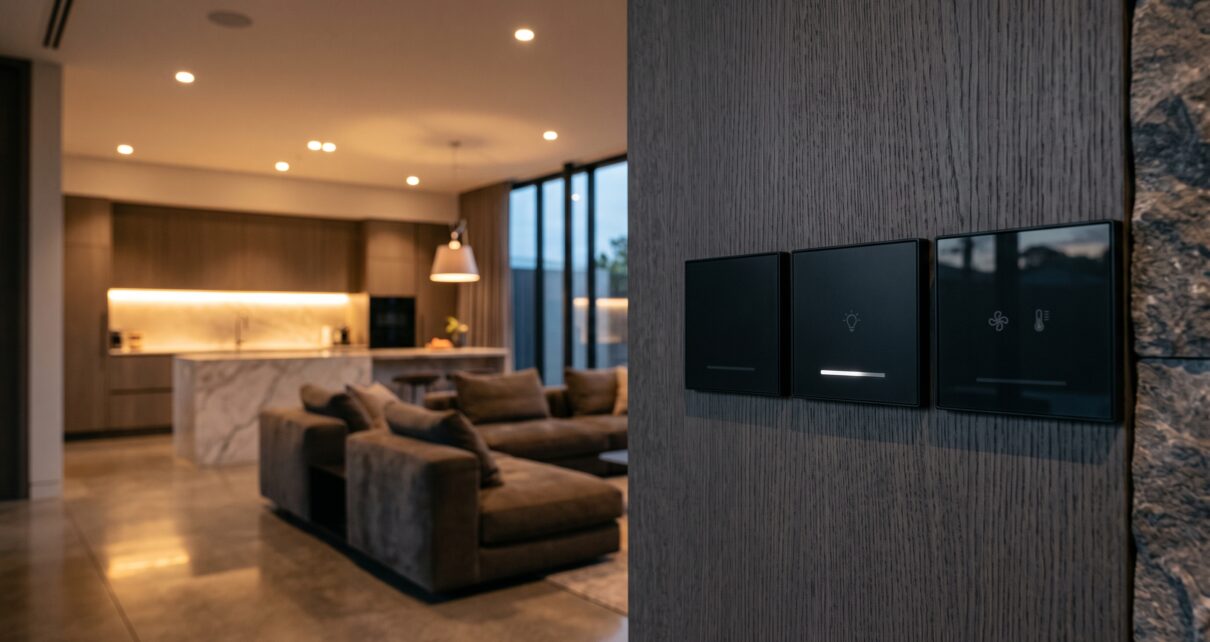
Smart switches are available in sleek modular designs that blend with contemporary home interiors. They combine technology with aesthetics, offering both functionality and visual appeal.
Choosing the Right Smart Switch
Before purchasing a smart home switch, consider the following factors:
- Compatibility with your preferred smart home platform
- Wi-Fi or protocol support
- Wiring requirements
- Manual operation during internet outages
- Build quality and safety certifications
- Warranty and software update support
Selecting products that meet recognized safety standards ensures better long-term reliability.
If you’re comparing different product options, reviewing manufacturers that specialize in modular switches and electrical accessories can help you understand the available features and configurations before making a purchase.
Installation Tips
Although many smart switches are designed for standard wall boxes, installation should always follow local electrical regulations. If you’re unfamiliar with electrical wiring, hiring a qualified electrician is the safest approach.
Professional installation helps ensure:
- Correct wiring connections
- Safe electrical operation
- Proper device configuration
- Reliable long-term performance
The Future of Smart Homes
The demand for connected homes continues to grow. New standards such as Matter are making it easier for smart devices from different manufacturers to work together. As a result, homeowners can build flexible smart home ecosystems without worrying about compatibility issues.
Future smart switches are also expected to offer improved energy analytics, stronger cybersecurity features, and more intelligent automation based on user behavior.
Conclusion
Smart home switches are more than a convenience—they are an important part of modern connected homes. They offer remote control, automation, energy savings, and improved day-to-day comfort while integrating seamlessly with today’s smart home ecosystems.
Whether you’re renovating your home or planning a new installation, understanding the available features and choosing quality electrical products can help create a smarter, safer, and more efficient living environment.
Frequently Asked Questions (FAQs)
1. What is a smart home switch?
A smart home switch is an electrical switch that allows users to control lighting or appliances manually, through a mobile app, or with voice assistants.
2. Do smart switches work without the internet?
Most smart switches continue to function as regular wall switches even if the internet connection is unavailable. However, remote access and automation features may require an internet connection.
3. Can smart switches help reduce electricity bills?
Yes. Scheduling, automation, and remote control features can help reduce unnecessary energy consumption by ensuring lights and connected devices are used more efficiently.
4. Do I need to replace all my switches with smart switches?
No. Many homeowners begin by replacing switches in frequently used areas such as living rooms, bedrooms, or entryways and expand their setup over time.
5. Are smart switches safe?
When installed correctly and purchased from reputable manufacturers that meet recognized safety standards, smart switches are designed to operate safely and reliably.
6. Is professional installation recommended?
If you’re unfamiliar with electrical wiring, it’s advisable to have a qualified electrician install smart switches to ensure safe operation and compliance with local electrical regulations.