The fact is, the climate in Victoria is so variable that it may be different from one hour to another in a great degree. For instance, the weather may look good and be sunny at the time, but the next time it will be the moment to put on warm clothes. Still, it is not so important if the weather is good or bad while planning to go outside. Many people just take their chairs to the garden and spend the whole day there.
Out there where the breeze rolls in from the coast, kitchens often open wide to meet it. While planning for kitchen renovation in Melbourne, many aim for a smooth link between inside rooms and backyard zones – seamless access matters most once summer shows up.
Let’s look at how to pull off a layout that actually works with our unpredictable climate, rather than fighting it.
- The Servery Window Glow-Up
Remember those chunky old serving hatches from the 80s that hid the cook away? Well, they’re back. But this time, they’ve had a massive glow-up.
Installing a bi-fold servery window completely changes how you entertain. You can slide the snags, salads, and icy poles straight out to the patio. No more guests tramping muddy footprints past the fridge. Plus, whoever is stuck on salad duty doesn’t miss out on the backyard banter.
Here’s a crucial detail, though. Beside the window where your sink rests, an ordinary countertop falls short. Extending further becomes necessary – aim for roughly 660mm or even 680mm deep instead. Otherwise, your tapware throws a massive spanner in the works when you try to swing the glass open.
- Blur the Boundaries
Architects have named it “biophilic design”. We just see it as a no-brainer.
The whole point is to erase the boundaries. Instead of a brick wall firmly telling you the house ends here, why not use your doorways as a soft transition.
Large sliding doors are an excellent solution on this. Internal courtyards work well too. Just imagine the raindrops on a tin roof or the smell of lemon myrtle wafting from your kitchen counter. It really gets you. Besides, from a scientific point of view, having those natural elements indoors is a great way to relieve stress and lower your blood pressure.
- Bulletproof Your Benchtops
The local weather around here is really tough. An icy 8-degree morning could change without anyone noticing into an extremely hot 28-degree afternoon by 3 PM.
Simple concrete or normal unsealed granite will sooner or later get cracks due to such extreme temperature changes. You’ll definitely want to chat with experienced kitchen renovators about using sintered stone for your exposed patio areas. It is an absolute powerhouse. With zero porosity, it practically laughs at sudden downpours, winter frosts, and bayside salt air.
Inside the house? That’s when you counterbalance the sturdy stone with the material you most desire to touch. Using locally sourced spotted gum, Victorian ash, or even recycled brick underneath the floor surface will clearly add back that essential, tactile warmth to the room.
- Let Nature Pick the Paint
Nature is basically doing all the heavy lifting for colour palettes right now.
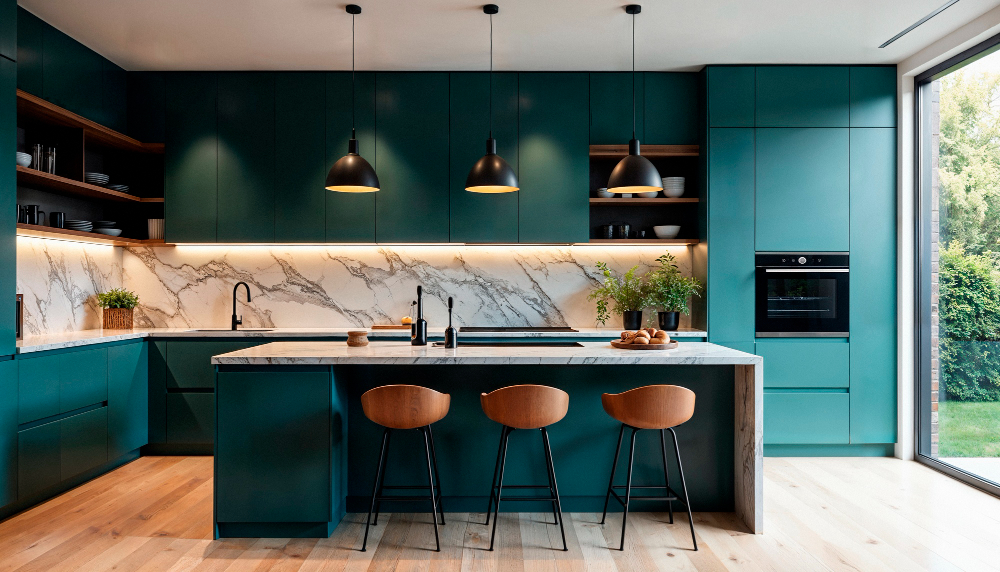
We are seeing a massive shift away from clinical whites towards earthy, grounded tones. Sage green cabinets paired with pale oak? Spot on. It perfectly mirrors the leafy coastal or bush gardens we love so much.
Maybe green isn’t your thing. That’s fine. Try deep navy on bottom cupboards instead, almost black but softer. Up top, go with clean white fronts above the bench. Light bounces off them. Space stays open, never heavy. Dividing zones works now, even when walls are gone.
- The Ultimate Alfresco Setup
Out back, things get serious when effort kicks in. Built-in grill sits just right, cold drinks stay close in cabinetry below, while cleanup stays simple with a neat wash spot nearby.
Yet take care around neighbourhood airflow laws. These often prove tricky to follow.
When walls or café blinds surround your deck, tossing on a regular home barbecue won’t meet safety rules. That setup counts as closed-in by law. You’ll need a grill built for inside spaces – equipped with automatic shut-off if flames go out. On top of that, ventilation becomes critical: install a heavy-duty fan capable of moving 2,000 cubic metres of air every hour. Without it, smoke builds fast.
Final Thoughts:
Once the sun sets, there will no longer be a fad of an ideal indoor/outdoor arrangement. Such a connection will not only be able to cope well with weather disturbances but also handle changes in weather effortlessly while remaining informal and simple.
Other Helpful Guides: Why Kitchen Renovations in Melbourne Are More Than Makeovers