
Most locals cherish relaxing out in the backyard, particularly if a giant, shady gum offers some relief throughout those brutal January afternoons. While you start planning your perfect backyard landscape design, that majestic tall gum or oak usually acts as the anchor. Yet, despite how much we adore them, trees won’t last forever. Years, harsh storms, bugs, and rot always eventually cause damage.
Occasionally, an asset changes from a wonderful yard highlight into a scary liability that’s ready to smash a thick limb through the roof. Spotting the clear signs of a dying or mostly rotten trunk is vital for protecting yourself and your loved ones. We’ll check out the main clues suggesting it could be time to get rid of that old timber.
Leaning: When to Actually Panic
Notice your tree looking a bit lopsided lately? Hang on a sec, don’t panic just yet. Not every tilt means impending doom. Trees naturally stretch toward the sun. Arborists call this a ‘tropic lean,’ and it usually features a gentle, swooping curve that leaves the tree perfectly healthy.
But a sharp, sudden tilt? That’s a whole different kettle of fish.
Known as a ‘mechanical lean,’ this violent shift happens when wild winds snap the roots or soil washes away. If your leafy mate is leaning more than 15 degrees, it’s probably copped a beating it can’t recover from. Also, keep your eyes peeled for deep vertical splits or trunks dividing into two ‘codominant’ stems. These weak spots make the tree a prime candidate for snapping clean in half during the next big blow.
Looking Down: Roots and Soil
We often spend so much time gazing at the branches that we entirely forget the roots keeping the entire thing upright. If the soil around the base appears lifted or pushed up, that’s a serious red flag suggesting the roots are dying or snapping deep underground. And then there are the toadstools. Seeing hard, woody shelf-fungi (called ‘conks’) growing around the bark isn’t just a weird garden detail. Those are the fruiting parts of nasty fungi, like Ganoderma or Armillaria, that are actually rotting the tree’s vital anchor roots away. Did you lately bring in heavy loaders for some landscaping in Werribee? You could have easily flattened or sliced those essential roots. The tree might seem okay right now, but building stress triggers a long, painful death that takes seasons to finally appear.
Finding ourselves staring skyward most times means we miss what keeps things standing – the roots below. When the soil near the trunk feels raised or swollen, it hints at hidden damage happening beneath, where support is weakening.
The Outer Shield: Bark and Trunk
View bark as the tree’s hide. Once it begins falling off in bits and leaving raw wood showing, your tree is begging for care. This sort of total shedding mostly hints at a serious nutrient shortage, a deadly fungal attack, or bugs.
Spotting leaking resin or small sawdust pits? Boring beetles have surely moved in. These greedy pests tunnel right through the trunk, starving the life and ruining its solid frame.
What if the trunk is hollow? Surprisingly, a hollow tree isn’t automatically a goner. The real strength actually sits in the solid outer rings of the wood. Still, if the wood feels spongy and crumbly, internal rot has truly set in, and you desperately need a pro to check it out.
The Telltale Canopy
Have a squiz at the canopy. Are you always picking up dead, brittle sticks off the grass? A constant shower of dry wood usually means the main body of the tree is dying out, too.
A healthy tree needs a thick, lush crown. Patchy spots, bare limbs, or weirdly tiny, yellowing leaves are awful signs.
Want to be completely certain? Try the scratch test. Just scrape a tiny bit of bark off a twig. If it’s dry and brown underneath instead of a fresh, sappy green, that branch is dead as a dodo.
Location is Everything
If a dying tree is leaning hard toward power lines, you’ve got a certified ‘Hazard Tree’ on your hands. These pose severe risks of knocking out the power or sparking dangerous electrical fires. You also need to evaluate the ‘target zone’.
A ring stretching out as far as the tree stands high marks its danger zone. What waits below when it finally falls? Suppose the target includes your home, car path, or where children bounce outside – then keeping an unsteady trunk makes little sense. The risk outweighs any reason to leave it standing.
Making the Tough Call
No one likes cutting down a tree. Still, the rewards of ditching a hazardous one are clear. First thing: safety. Removing a dodgy tree prevents nasty injuries and massive roof bills before they occur. Also, it stops the spread of rot and hungry bugs (like white ants) to the rest of your thriving garden. Clearing out a dead trunk also floods your lawn with extra sunlight.
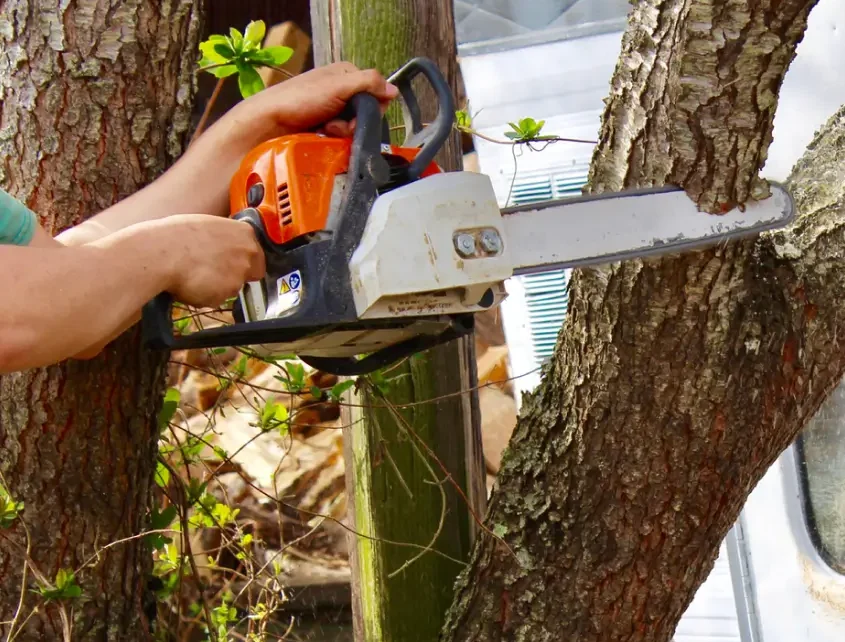
If you’re currently sketching your ideal backyard landscape design, that vacant spot is an absolute winner for new plants. When you finally choose to take the plunge, definitely call in an expert tree removal in Werribee. You need trained professionals managing the heavy gear and risky cuts, not just some bloke with a blunt chainsaw.
Final Thoughts: Monitoring these signs is brilliant for any homeowner, but assessing a tree’s true risk isn’t a DIY job. Don’t leave it to guesswork. Call in an ISA Certified Arborist. They have the serious training required to diagnose what’s actually wrong. They’ll tell you straight whether your tree can be saved with some clever pruning, or if completely removing it is the only safe way forward.