
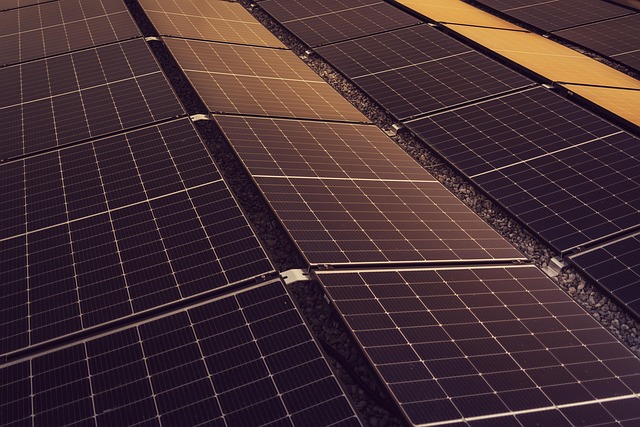
Western Australia is one of the sunniest regions in the world, making solar power an obvious choice for households looking to cut energy bills and reduce environmental impact. If you have been researching solar, you’ve almost certainly come across the term “Government Solar Rebate WA.” Yet this phrase often causes confusion, because many people assume WA offers its own state-funded rebate specifically for solar panels.
The reality is slightly different — but still very beneficial for homeowners planning to go solar. In this blog, we break down what rebates exist, how they work, and what incentives WA residents can access right now.
Does WA Have Its Own Solar Rebate?
The short answer: No — Western Australia does not currently offer a state-funded rebate for solar panel installations alone.
However, WA residents still receive significant financial support through federal incentives and state programs related to batteries, energy storage, and grid participation. These programs can substantially reduce the cost of going solar, especially if you include a battery system.
Understanding how these incentives work is key to choosing the best solar package for your home.
1. Federal Solar Rebate (STCs) – The Main Incentive for WA Homes
Although there is no WA-specific solar rebate, every eligible household in WA receives a discount through the Federal Small-Scale Renewable Energy Scheme (SRES). This is commonly known as the federal solar rebate.
How the Federal Rebate Works
When you install solar, your system generates Small-Scale Technology Certificates (STCs). Instead of you having to trade these certificates, your installer typically assigns them on your behalf and deducts the value upfront.
What This Means for You
- Your solar system costs thousands less upfront
- Larger systems earn more STCs (and therefore larger discounts)
- The rebate reduces slightly every year until 2030
Many WA homeowners don’t realize it, but this federal scheme often covers 20–35% of the total system cost, making solar far more affordable than the sticker price suggests.
2. Feed-In Tariffs (FITs) – Ongoing Credits for Solar Export
While not technically a “rebate,” feed-in tariffs are another major incentive available to WA households.
A feed-in tariff is the rate you are paid for excess solar energy returned to the grid. In WA, rates vary depending on whether you are with Synergy (metro and southwest) or Horizon Power (regional and remote).
Why FITs Matter
- They reduce your electricity bill over time
- They provide ongoing financial benefit after installation
- They reward you for producing clean, local energy
Although feed-in tariffs have decreased over the years due to high solar uptake, they still contribute meaningfully to long-term energy savings.
3. WA Battery Incentives – The Real State-Level Support
Where WA stands out is in its support for battery storage and virtual power plant (VPP) participation.
Why WA Incentives Batteries
Solar alone only generates value when the sun is shining. Batteries, however:
- Store excess energy to use at night
- Reduce household reliance on the grid
- Provide backup power during outages
- Support the state grid during peak demand
For these reasons, the WA Government has focused its funding on energy storage solutions rather than solar panels themselves.
Types of Battery Support That May Be Available
- Battery rebates or subsidies for eligible households
- No-interest or low-interest loans to help finance home batteries
- Payments for joining Virtual Power Plants, allowing the grid operator to use stored energy during high-demand times
These programs change periodically, but homeowners interested in solar + battery systems should always check current state offerings before making a purchase.
Why the Term “Solar Rebate WA” Still Confuses People
Many solar companies advertise the federal STC scheme as a “solar rebate” — which is technically accurate — but the wording leads some homeowners to believe WA has its own additional rebate.
In reality:
- The discount you see advertised is almost always the federal rebate, not a WA-specific solar incentive.
- WA’s main state-level benefits now relate to battery systems, not solar panels alone.
So while the phrase “Government Solar Rebate WA” is widely used, it’s important to understand what it really refers to.
Is Solar Still Worth It in WA Without a State Rebate?
Absolutely — and here’s why:
1. Solar Is Cheaper in WA Than Many States
Because WA gets so much sunshine, even moderately sized systems generate high returns.
2. Electricity Prices Continue to Rise
Any power you generate and use yourself offsets the cost of buying electricity from the grid.
3. Solar + Battery = Maximum Savings
While solar only generates during the day, a battery ensures you use your own clean energy around the clock.
4. Property Values Increase
Homes with solar — especially those with batteries — are becoming more desirable.
What Should WA Homeowners Do Next?
If you’re considering solar or a solar + battery system in WA, here are the best next steps:
- Get quotes from reputable, accredited installers
- Ask for a breakdown of the STC rebate on your quote
- Check whether you qualify for current battery incentives or VPP programs
- Calculate your household’s energy usage to choose the right system size
Understanding the available incentives will help you make an informed, financially smart decision.