
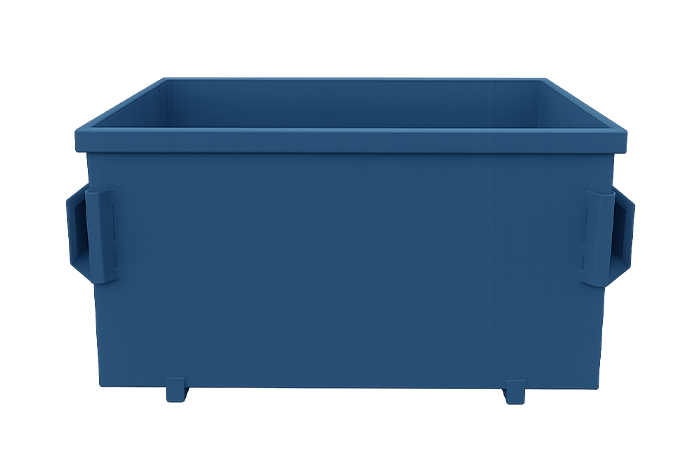
Understanding Flat Style Front Load Dumpsters
Flat style front load dumpsters are among the most widely used waste collection containers for commercial, industrial, and multi-family properties. Their practical design, durable construction, and efficient waste handling capabilities make them an essential component of modern waste management systems.
Businesses generate waste daily, and selecting the right container plays a significant role in maintaining cleanliness, improving operational efficiency, and supporting sustainability initiatives. Flat style front load dumpsters provide a reliable solution for routine waste collection while helping organizations streamline disposal processes.
Flat style front load dumpsters offer an effective balance of durability, capacity, accessibility, and cost-efficiency, making them a preferred choice for commercial waste management programs.
What Are Flat Style Front Load Dumpsters?
Flat style front load dumpsters are commercial waste containers designed for regular collection by front-loading garbage trucks. These dumpsters feature a flat lid configuration and reinforced pockets that allow collection vehicles to lift and empty the container efficiently.
They are commonly used for:
- Retail stores
- Restaurants
- Office buildings
- Shopping centers
- Apartment communities
- Industrial facilities
- Educational institutions
- Healthcare facilities
Their design allows for easy waste disposal while supporting frequent collection schedules.
How Flat Style Front Load Dumpsters Work
Front Loading Collection System
Front load trucks use hydraulic forks that slide into pockets located on the dumpster.
The collection process involves:
- Positioning the truck in front of the container.
- Inserting lifting forks into designated pockets.
- Raising the dumpster above the truck.
- Emptying contents into the collection vehicle.
- Returning the container to its original position.
This efficient system supports fast and reliable waste collection.
Flat Lid Design
The flat lid configuration provides several operational advantages.
Benefits include:
- Improved weather protection
- Better odor control
- Enhanced cleanliness
- Easier access for users
The design also helps prevent waste from being exposed to environmental conditions.
Key Features of Flat Style Front Load Dumpsters
Durable Steel Construction
Most flat style front load dumpsters are manufactured using heavy-duty steel materials.
Advantages include:
- Long service life
- Impact resistance
- Structural durability
- Reduced maintenance requirements
Reinforced Fork Pockets
Reinforced pockets help withstand repeated lifting and dumping operations.
These structural components improve:
- Operational reliability
- Equipment longevity
- Collection efficiency
Hinged Plastic or Metal Lids
Many dumpsters feature hinged lids designed to:
- Keep waste contained
- Reduce pest access
- Prevent rainwater accumulation
- Improve site appearance
Compact Footprint
Front load dumpsters provide substantial storage capacity while requiring relatively little space.
This makes them ideal for:
- Urban environments
- Limited-access locations
- Commercial properties
Benefits of Flat Style Front Load Dumpsters
Efficient Waste Collection
One of the primary advantages of front load dumpsters is collection efficiency.
Benefits include:
- Fast servicing
- Reduced labor requirements
- Consistent collection schedules
Improved Site Appearance
Flat style dumpsters help maintain cleaner and more organized waste collection areas.
This is especially important for:
- Retail centers
- Restaurants
- Office complexes
- Apartment communities
Enhanced Safety
Proper waste containment reduces safety hazards associated with loose debris.
Advantages include:
- Reduced trip hazards
- Better waste control
- Cleaner work environments
Cost-Effective Waste Management
Front load dumpsters are often a cost-effective solution for businesses generating consistent waste volumes.
Regular service schedules help optimize collection expenses and operational efficiency.
Businesses that implement properly sized front load dumpster programs often achieve cleaner properties, lower waste management costs, and improved operational performance.
Common Applications
Retail Stores
Retail businesses generate significant amounts of packaging and operational waste.
Common waste materials include:
- Cardboard
- Packaging supplies
- Product displays
- General refuse
Front load dumpsters support efficient daily waste management.
Restaurants and Food Service Facilities
Restaurants rely heavily on front load dumpsters for routine waste collection.
Benefits include:
- Improved sanitation
- Odor management
- Consistent waste removal
Office Buildings
Office facilities use front load dumpsters to manage:
- Paper waste
- Packaging materials
- Employee-generated refuse
Apartment Communities
Multi-family housing developments often require centralized waste collection systems.
Front load dumpsters help provide:
- Convenient disposal
- Efficient collection
- Improved property appearance
Industrial Facilities
Industrial operations frequently utilize front load containers for managing production-related waste streams.
Available Sizes of Flat Style Front Load Dumpsters
Different businesses require different waste capacities.
Small Containers
Suitable for:
- Small offices
- Boutique retail stores
- Low-volume waste generators
Medium Containers
Ideal for:
- Restaurants
- Medical offices
- Mid-sized businesses
Large Containers
Best suited for:
- Shopping centers
- Apartment complexes
- Industrial facilities
Size Comparison Table
| Business Type | Recommended Dumpster Capacity |
|---|---|
| Small Office | Small |
| Retail Store | Medium |
| Restaurant | Medium |
| Apartment Complex | Large |
| Industrial Facility | Large |
Selecting the correct size helps improve collection efficiency and cost control.
Flat Style Front Load Dumpsters vs. Rear Load Dumpsters
Front Load Dumpster Advantages
Front load dumpsters offer:
- Larger capacities
- Automated collection
- Reduced labor requirements
- Improved efficiency
Rear Load Dumpster Advantages
Rear load dumpsters may be beneficial in locations with:
- Limited access
- Narrow service areas
- Smaller waste volumes
Comparison Table
| Feature | Front Load Dumpster | Rear Load Dumpster |
|---|---|---|
| Capacity | High | Moderate |
| Collection Efficiency | Excellent | Good |
| Automation | High | Moderate |
| Commercial Use | Extensive | Moderate |
| Large Property Suitability | Excellent | Good |
Both options provide valuable waste management solutions depending on site requirements.
Materials Commonly Collected
Flat style front load dumpsters are typically used for non-hazardous waste.
Common materials include:
- Cardboard
- Packaging waste
- Office waste
- Food service waste
- Plastic materials
- General refuse
Material acceptance may vary based on local regulations and collection programs.
Recycling Applications
Commercial Recycling Programs
Many organizations use front load containers for recyclable materials.
Common recyclables include:
- Cardboard
- Paper
- Plastic containers
- Aluminum products
Sustainability Benefits
Recycling initiatives support:
- Waste diversion
- Resource conservation
- Reduced landfill use
Environmental Responsibility
Businesses increasingly prioritize recycling programs as part of broader sustainability goals.
Choosing the Right Flat Style Front Load Dumpster
Evaluate Waste Generation
Understanding waste volume is essential when selecting a container.
Factors to consider include:
- Daily waste production
- Business size
- Customer traffic
Consider Collection Frequency
Service schedules may range from multiple times per week to less frequent collection depending on waste generation levels.
Assess Available Space
Dumpster placement should allow:
- Safe access
- Efficient collection
- Adequate clearance
Plan for Future Growth
Businesses should consider future expansion when selecting container capacity.
Best Practices for Dumpster Management
Keep Lids Closed
Closed lids help:
- Control odors
- Prevent pests
- Improve cleanliness
Avoid Overloading
Overfilled dumpsters can create safety concerns and collection difficulties.
Separate Recyclables
Recycling programs improve sustainability and reduce disposal costs.
Monitor Waste Volumes
Regular waste assessments help identify opportunities for optimization.
Maintenance and Care
Routine Inspections
Regular inspections help identify:
- Structural damage
- Lid issues
- Fork pocket wear
Cleaning Procedures
Periodic cleaning supports:
- Better sanitation
- Odor reduction
- Improved appearance
Prompt Repairs
Addressing minor maintenance issues early can extend dumpster lifespan and reduce long-term costs.
Sustainability and Waste Management
Waste Diversion Programs
Many businesses focus on reducing landfill dependency through:
- Recycling
- Material recovery
- Waste reduction initiatives
Resource Conservation
Responsible waste management contributes to the conservation of valuable resources.
Corporate Sustainability Goals
Organizations increasingly view waste management as part of broader environmental responsibility programs.
Future Trends in Front Load Dumpster Solutions
Smart Waste Monitoring
Advanced sensors allow businesses to monitor container fill levels in real time.
Benefits include:
- Improved collection scheduling
- Reduced operating costs
- Better resource utilization
Data-Driven Waste Management
Analytics platforms help organizations optimize waste collection and recycling efforts.
Enhanced Recycling Programs
Growing sustainability demands are driving increased investment in recycling infrastructure.
Modern Container Designs
Future front load dumpsters are expected to feature enhanced durability, improved accessibility, and smarter operational capabilities.
Conclusion
Flat style front load dumpsters remain one of the most efficient and dependable waste management solutions available for commercial, industrial, and multi-family properties. Their durable construction, large capacity, automated collection capabilities, and cost-effective operation make them an essential component of modern waste management systems.
From retail stores and restaurants to apartment communities and industrial facilities, these containers help organizations maintain clean, organized, and environmentally responsible operations. As businesses continue to prioritize efficiency and sustainability, flat style front load dumpsters will remain a vital tool for effective waste collection and resource management.