
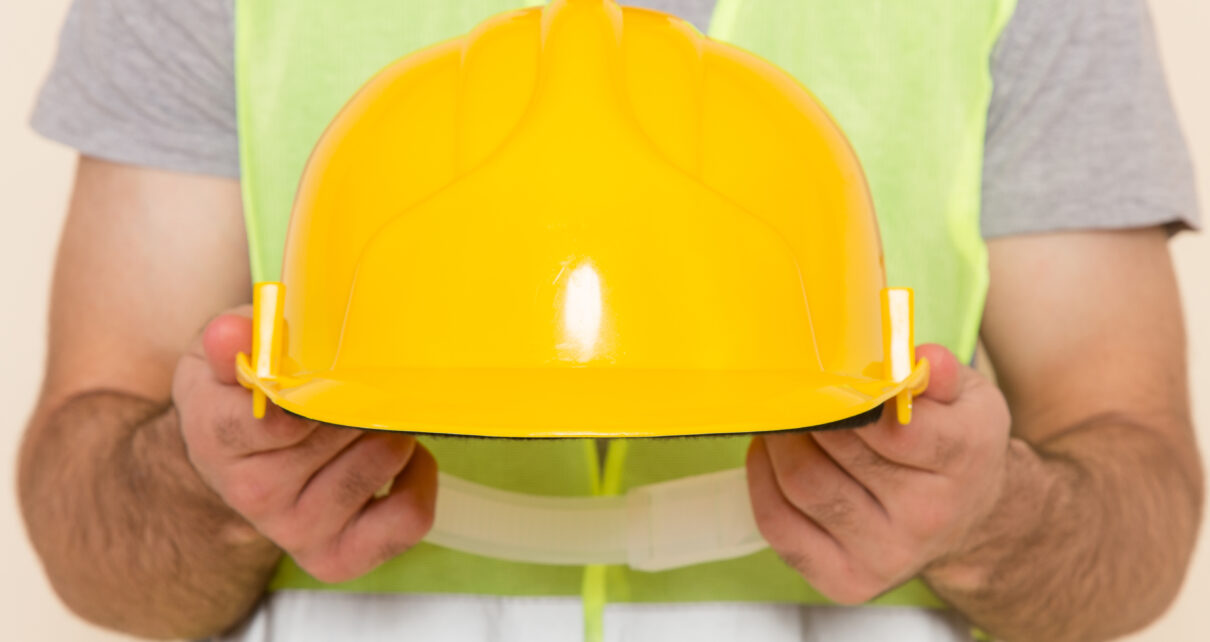
Workplace safety is a top priority in industries such as construction, manufacturing, mining, oil and gas, and warehousing. Every year, thousands of workers suffer head and eye injuries that could have been prevented with proper personal protective equipment (PPE). Among the most commonly used protective gear are safety hats, safety helmets, and safety shield glasses.
Many people use the terms safety hat and safety helmet interchangeably, but they are not exactly the same. Understanding the differences can help employers and workers choose the right protection for their work environment.
Why Head and Eye Protection Matters
According to the Occupational Safety and Health Administration (OSHA), head injuries can result from falling objects, slips and falls, or accidental contact with equipment. OSHA also reports that thousands of workplace eye injuries occur each year, many of which could be prevented by using proper eye protection.
Investing in the right PPE helps:
- Reduce workplace injuries
- Improve employee safety
- Support OSHA compliance
- Increase worker confidence and productivity
- Minimize downtime caused by accidents
What Is a Safety Hat?
A safety hat, often referred to as a hard hat, is designed to protect workers from falling objects and minor impacts.
Traditional safety hats feature:
- A rigid outer shell
- Internal suspension system
- Lightweight design
- Protection against overhead hazards
Safety hats are commonly used in:
- Construction sites
- Warehouses
- Utility work
- General industrial environments
Benefits of Safety Hats
- Lightweight and comfortable
- Affordable safety solution
- Easy to wear for long shifts
- Helps reduce impact from falling debris
However, traditional safety hats primarily provide protection from impacts coming from above and may offer limited side-impact protection.
What Is a Safety Helmet?
A safety helmet is a more advanced form of head protection designed to provide protection from multiple impact directions.
Unlike traditional safety hats, safety helmets often include:
- Chin straps
- Enhanced impact absorption
- Side-impact protection
- Improved retention systems
- Advanced safety materials
Safety helmets are becoming increasingly popular in industries where workers face greater risks.
Common Applications for Safety Helmets
- High-rise construction
- Telecommunications
- Utility maintenance
- Rope access work
- Wind energy projects
- Industrial maintenance
Benefits of Safety Helmets
- Better overall head protection
- Reduced risk from side impacts
- Secure fit through chin straps
- Greater stability while working at heights
Safety Hat vs. Safety Helmet: Key Differences
| Feature | Safety Hat | Safety Helmet |
| Impact Protection | Top impact | Top and side impacts |
| Chin Strap | Usually no | Yes |
| Stability | Moderate | High |
| Fall Protection | Basic | Enhanced |
| Comfort | Lightweight | Advanced ergonomic design |
| High-Risk Environments | Suitable | Recommended |
Which One Should You Choose?
The answer depends on the work environment.
Choose a safety hat when:
- Working in low-to-moderate risk areas
- Protection is mainly needed from overhead hazards
- Workers remain on stable ground
Choose a safety helmet when:
- Working at heights
- Exposure to side impacts exists
- Additional head protection is required
- Industry standards recommend advanced PPE
The Importance of Safety Shield Glasses
Head protection is only part of workplace safety. Eye injuries remain one of the most common workplace incidents.
Safety shield glasses are designed to protect workers from:
- Flying debris
- Dust particles
- Chemical splashes
- Sparks
- Impact hazards
Workers in construction, manufacturing, welding, woodworking, and laboratory environments often rely on safety shield glasses as part of their daily PPE.
Benefits of Safety Shield Glasses
- Protect eyes from impact injuries
- Improve workplace safety compliance
- Reduce medical expenses caused by eye injuries
- Available in clear, tinted, and anti-fog options
Combining a safety helmet or safety hat with safety shield glasses provides a more complete level of protection.
Workplace Safety Statistics
Recent workplace safety data highlights the importance of PPE:
- OSHA estimates that thousands of workplace eye injuries occur annually in the United States.
- The use of proper eye protection can significantly reduce the risk of serious eye injuries.
- Head injuries remain one of the leading causes of serious workplace accidents in construction and industrial settings.
- Proper PPE usage is one of the most effective ways to reduce workplace injury rates.
These statistics reinforce why employers should prioritize high-quality safety hats, safety helmets, and safety shield glasses.
Best Practices for PPE Compliance
To maximize workplace safety:
- Inspect PPE before every shift.
- Replace damaged safety hats and helmets immediately.
- Clean safety shield glasses regularly.
- Train workers on proper PPE usage.
- Follow manufacturer recommendations for replacement schedules.
- Stay updated with OSHA safety requirements.
Companies looking to strengthen workplace safety programs can also review professional PPE solutions and workplace safety equipment available through industry suppliers.
Additional Workplace Safety Resources
For more guidance on industrial safety equipment, PPE selection, and workplace compliance, businesses can explore resources from industry suppliers and safety professionals. For example, Darman Distributors offers a range of workplace safety products and industrial solutions that help organizations maintain safer work environments.
Internal Resource Example:
- Learn more about workplace safety solutions and industrial supplies at Darman Distributors.
External Resource:
- Visit OSHA’s official PPE guidelines for additional workplace safety recommendations.
Frequently Asked Questions
Is a safety helmet better than a safety hat?
Yes. A safety helmet generally provides more comprehensive protection because it offers side-impact protection and includes a chin strap for improved stability.
Are safety shield glasses required on construction sites?
Many construction activities require eye protection. Requirements depend on the specific hazards present at the worksite.
How often should a safety helmet be replaced?
Replacement schedules vary by manufacturer, usage conditions, and damage. Always follow the manufacturer’s recommendations.
Can I wear safety shield glasses with a safety helmet?
Yes. Safety shield glasses are designed to work alongside safety helmets and other PPE equipment.
What industries commonly use safety helmets?
Construction, utilities, telecommunications, manufacturing, mining, and energy sectors frequently use safety helmets.
Conclusion
While both safety hats and safety helmets help protect workers from head injuries, safety helmets provide a higher level of protection, particularly in high-risk environments. Pairing appropriate head protection with safety shield glasses creates a stronger defense against common workplace hazards.
Choosing the right PPE is not just about compliance it is about protecting workers, reducing injuries, and creating a safer workplace for everyone.


