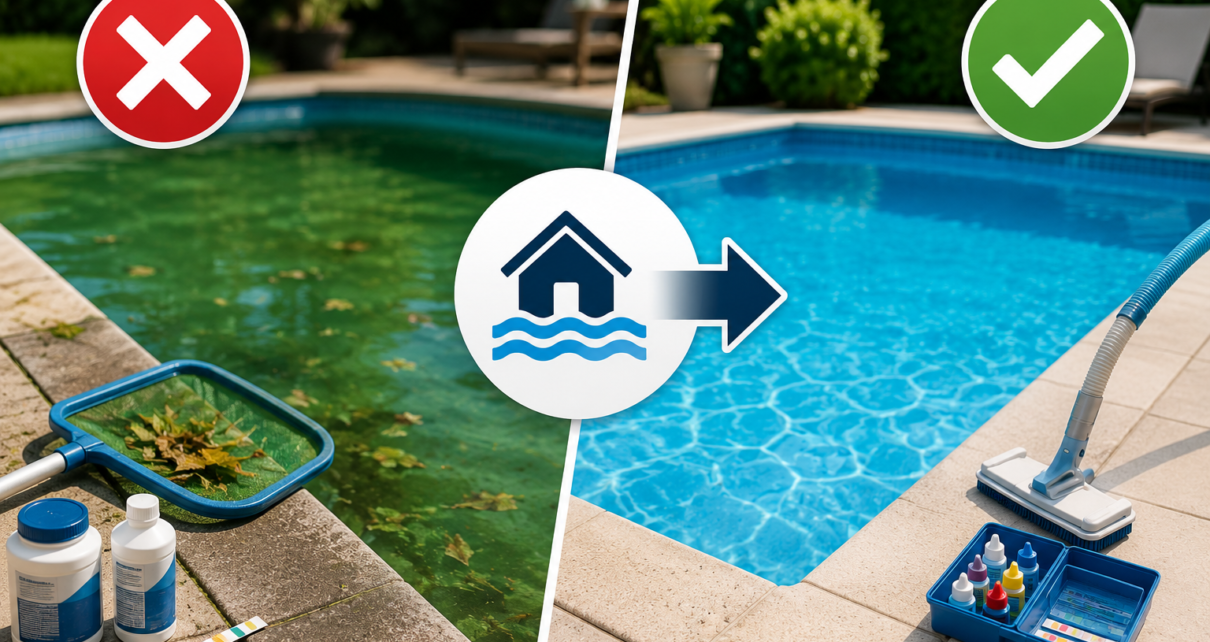
A swimming pool can be one of the best features of a home. It provides a place to relax, spend time with family, and enjoy outdoor activities. However, keeping a pool in good condition requires regular care. Many homeowners make small mistakes that can lead to dirty water, equipment problems, and expensive repairs.
Good Pool Maintenance helps keep the water clean, protects pool equipment, and creates a safer swimming environment. By understanding the most common mistakes and learning how to avoid them, homeowners can save money and enjoy their pools for many years.
This guide explains the top pool maintenance mistakes homeowners make and provides simple solutions to prevent them.
Why Pool Maintenance Is Important
Many people think pool maintenance is only about keeping the water clear. In reality, it involves much more. Proper Pool Maintenance helps maintain water quality, prevents algae growth, protects pool equipment, and extends the life of the pool.
When maintenance is ignored, small issues can quickly become major problems. Cloudy water, chemical imbalance, damaged equipment, and costly repairs are often the result of poor maintenance habits.
Mistake 1: Not Testing Pool Water Regularly
One of the biggest mistakes homeowners make is not testing their pool water often enough. Even if the water looks clean, the chemical balance may not be correct.
Changes in weather, pool usage, rain, and debris can affect water chemistry. Without testing, it becomes difficult to know whether the water is safe and balanced.
How to Prevent It
Check your pool water several times each week, especially during periods of heavy use. Regular testing allows you to make small adjustments before larger problems develop.
Recommended Water Balance Levels
| Water Element | Ideal Range |
| pH Level | 7.2 – 7.8 |
| Chlorine | 1 – 3 ppm |
| Total Alkalinity | 80 – 120 ppm |
| Calcium Hardness | 200 – 400 ppm |
| Stabilizer | 30 – 50 ppm |
Keeping these levels within the recommended range is a key part of effective Pool Maintenance.
Mistake 2: Using Too Many Chemicals
Some homeowners believe adding extra chemicals will solve pool problems faster. Unfortunately, using too much chlorine or other chemicals can create new issues.
Excess chemicals may cause skin irritation, eye discomfort, and damage to pool surfaces and equipment.
How to Prevent It
Always follow product instructions carefully. Measure chemicals correctly and avoid adding more than necessary. Small adjustments are usually more effective than large chemical treatments.
Mistake 3: Ignoring the Pool Filter
The filter plays an important role in keeping pool water clean. When it becomes dirty or clogged, water circulation decreases and contaminants begin to build up.
Many pool owners forget about the filter until they notice cloudy water.
How to Prevent It
Inspect and clean the filter regularly. A clean filter improves circulation and helps remove dirt and debris more effectively.
Routine filter care should always be included in your Pool Maintenance schedule.
Mistake 4: Running the Pump for Too Short a Time
The pool pump helps move water through the filtration system. Running it for only a few hours each day may not provide enough circulation.
Poor circulation can lead to algae growth and uneven chemical distribution.
How to Prevent It
Operate the pump long enough each day to keep water moving throughout the pool. Consistent circulation supports cleaner water and better chemical balance.
Mistake 5: Skipping Regular Cleaning
Many homeowners wait until the pool looks dirty before cleaning it. Unfortunately, dirt, leaves, and debris can collect even when the water appears clear.
Over time, this buildup affects water quality and increases maintenance needs.
How to Prevent It
Follow a regular cleaning routine that includes:
- Skimming leaves and floating debris
- Vacuuming the pool floor
- Brushing pool walls
- Emptying skimmer baskets
- Cleaning hard-to-reach corners
These simple tasks can significantly improve overall Pool Maintenance.
Mistake 6: Waiting Too Long to Treat Algae
Algae can spread quickly once it begins to grow. Many homeowners do not notice the problem until green patches become visible.
By then, treatment often becomes more difficult and costly.
How to Prevent It
Watch for signs such as slippery surfaces, cloudy water, or unusual discoloration. Addressing these issues early can stop algae before it spreads throughout the pool.
Mistake 7: Forgetting to Check Water Levels
Pool water levels change naturally because of evaporation, splashing, and rainfall. Water that is too low can affect pump performance, while water that is too high may reduce skimmer efficiency.
How to Prevent It
Check water levels every week and keep them near the middle of the skimmer opening. Proper water levels help pool equipment work correctly.
Mistake 8: Not Brushing Pool Surfaces
Vacuuming removes loose debris, but it does not clean every surface completely. Dirt, algae, and minerals can stick to walls, steps, and corners.
How to Prevent It
Brush the pool regularly to remove buildup before it becomes difficult to clean. This also helps improve water circulation around the pool.
Mistake 9: Ignoring Small Equipment Problems
Pool equipment often shows warning signs before it fails completely. Strange noises, leaks, or reduced performance should never be ignored.
Small issues can quickly become expensive repairs if left untreated.
How to Prevent It
Inspect your pool equipment regularly and look for:
- Water leaks around pumps or pipes
- Unusual sounds during operation
- Cracked or damaged components
- Reduced water flow
- Signs of wear or corrosion
Finding problems early can save both time and money.
Mistake 10: Not Shocking the Pool When Needed
Even when chlorine levels appear normal, contaminants can build up in pool water. Oils, sweat, and other materials can reduce sanitizer effectiveness.
How to Prevent It
Shock the pool as needed based on usage and weather conditions. This helps remove contaminants and keeps water fresh and clean.
Mistake 11: Leaving Storm Debris in the Pool
Heavy rain and storms can bring leaves, dirt, and other debris into the pool. Waiting too long to clean up after a storm can affect water quality.
How to Prevent It
Inspect the pool immediately after severe weather. Remove debris, clean baskets, and test water chemistry to restore proper balance.
Mistake 12: Neglecting the Area Around the Pool
The space surrounding the pool also affects cleanliness. Overgrown plants, loose dirt, and falling leaves often increase maintenance requirements.
How to Prevent It
Keep landscaping trimmed and surrounding surfaces clean. A tidy pool area helps reduce debris entering the water.
Mistake 13: Improper Pool Closing
Many homeowners close their pools without properly preparing them. This can lead to algae growth, stained surfaces, and equipment damage during the off-season.
How to Prevent It
Before closing the pool, clean it thoroughly, balance the water chemistry, inspect equipment, and secure the cover properly. Taking these steps helps protect the pool until the next season.
Mistake 14: Overlooking Pool Safety Features
Pool safety equipment should receive the same attention as the pool itself. Damaged gates, covers, or lighting systems can create safety concerns.
How to Prevent It
Inspect safety features regularly and repair any damaged components promptly. Maintaining a safe environment is an important part of responsible Pool Maintenance.
Mistake 15: Only Fixing Problems After They Happen
Many homeowners wait until something goes wrong before taking action. This approach often leads to higher repair costs and more time spent dealing with problems.
How to Prevent It
Create a maintenance routine and follow it consistently. Preventive care helps identify small issues before they become major repairs.
Benefits of Avoiding Pool Maintenance Mistakes
When homeowners follow proper Pool Maintenance practices, they enjoy several advantages. Water stays cleaner, equipment lasts longer, and repair costs are reduced. A well-maintained pool is also safer and more enjoyable for family and guests.
Regular care allows homeowners to spend less time fixing problems and more time enjoying their pool.
Conclusion
Owning a swimming pool comes with responsibilities, but avoiding common maintenance mistakes can make pool care much easier. Simple actions such as testing water regularly, cleaning the pool consistently, inspecting equipment, and maintaining proper chemical balance can prevent many common problems.
Good Pool Maintenance is not about reacting to issues after they appear. It is about creating a routine that keeps the pool clean, safe, and ready for use throughout the year. With regular attention and preventive care, homeowners can protect their investment and enjoy a better swimming experience.
Frequently Asked Questions
1. How often should I test my pool water?
Pool water should be tested at least two to three times each week during the swimming season. Regular testing helps maintain proper chemical balance, prevents algae growth, protects equipment, and ensures the water remains safe and comfortable for swimmers.
2. Why is regular pool cleaning important?
Regular cleaning removes dirt, leaves, insects, and other debris before they affect water quality. It also reduces the risk of algae growth, improves circulation, and helps keep the pool looking attractive and safe for everyday use.
3. What happens if pool chemicals are not balanced?
Unbalanced chemicals can cause cloudy water, algae growth, skin irritation, and damage to pool surfaces or equipment. Maintaining the correct chemical levels helps keep the water clean, safe, and easier to manage throughout the season.
4. How can I tell if my pool filter needs cleaning?
Signs include cloudy water, reduced water flow, increased pressure readings, and poor circulation. Checking the filter regularly and cleaning it when necessary helps maintain efficient performance and supports better overall pool maintenance.
5. Is preventive pool maintenance better than waiting for problems?
Yes. Preventive maintenance helps identify small issues before they become expensive repairs. Regular inspections, cleaning, and water testing improve pool performance, extend equipment life, reduce maintenance costs, and provide a safer swimming environment.