
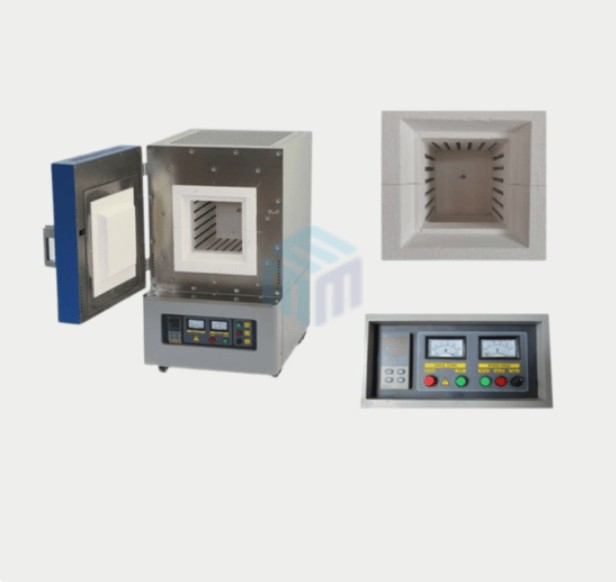
Loss on Ignition (LOI) testing is one of the most widely used analytical techniques across mining, cement, ceramics, environmental laboratories, food processing, metallurgy, and research institutions. The method measures the percentage of weight lost when a sample is heated to a specified temperature, helping laboratories determine moisture content, volatile compounds, organic matter, carbonates, and other combustible substances.
The accuracy of LOI results depends heavily on selecting the right muffle furnace. A poorly chosen furnace can lead to inconsistent temperatures, inaccurate weight-loss calculations, prolonged testing times, and increased operational costs.
For laboratories throughout Australia, choosing the correct furnace for laboratory applications requires careful evaluation of temperature capability, chamber design, heating uniformity, safety features, and long-term reliability.
This guide explains the key factors to consider when selecting a muffle furnace laboratory system for precise LOI testing.
What is Loss on Ignition (LOI) Testing?
LOI testing involves heating a sample to a predetermined temperature and measuring the difference between its initial and final weight.
Typical LOI Formula
LOI (%) = ((Initial Weight − Final Weight) ÷ Initial Weight) × 100
Common Applications
| Industry | LOI Testing Purpose |
| Mining | Ore characterization and mineral analysis |
| Cement | Determination of carbonate and moisture content |
| Environmental Testing | Organic matter analysis in soils and sediments |
| Ceramics | Raw material quality control |
| Food Industry | Ash and residue determination |
| Agriculture | Soil fertility assessment |
| Research Laboratories | Material characterization studies |
Because LOI calculations depend entirely on accurate heating conditions, the performance of the furnace becomes a critical factor.
Why Muffle Furnaces are Used for LOI Testing
A muffle furnace separates combustion gases from the sample chamber, ensuring clean and contamination-free heating.
Advantages include:
- Precise temperature control
- Uniform heat distribution
- Minimal sample contamination
- Excellent repeatability
- Suitable for prolonged heating cycles
- High-temperature capability
These characteristics make a high temperature muffle furnace the preferred choice for LOI analysis.
Key Factors to Consider When Selecting a Muffle Furnace
1. Required Temperature Range
The first consideration is the maximum temperature needed for your LOI procedure.
Different materials require different ignition temperatures.
| Material | Typical LOI Temperature |
| Soil Samples | 550°C |
| Biomass | 550–700°C |
| Cement | 950–1000°C |
| Limestone | 950–1100°C |
| Ceramics | 1000–1200°C |
| Advanced Materials | Above 1200°C |
For most laboratories:
- 1200 C Muffle furnace models are suitable for routine LOI analysis.
- 1400 C Muffle furnace systems provide additional flexibility for advanced materials testing.
- 1600 C Muffle furnace units support specialized ceramic and refractory research.
- 1800 C Muffle furnace systems are used in high-end research laboratories and material development facilities.
Selecting a furnace with some temperature headroom helps accommodate future testing requirements.
2. Temperature Uniformity
Temperature uniformity directly affects LOI accuracy.
Poor heat distribution can result in:
- Incomplete ignition
- Uneven sample decomposition
- Inconsistent analytical results
Look for furnaces offering:
- Multi-sided heating
- Advanced insulation systems
- PID temperature controllers
- Uniformity within ±5°C or better
A quality muffle furnace laboratory unit should provide consistent temperatures throughout the chamber.
3. Chamber Size and Capacity
The furnace chamber should match your testing workload.
Small Laboratories
Suitable for:
- Research institutes
- Universities
- Quality control labs
Benefits:
- Lower energy consumption
- Faster heat-up times
- Reduced operating costs
High-Volume Laboratories
Suitable for:
- Mining facilities
- Cement plants
- Industrial testing centers
Benefits:
- Higher sample throughput
- Batch processing capability
- Increased productivity
Selecting the right chamber size ensures efficient operation without wasting energy.
4. Heating Element Technology
The heating element determines furnace performance and lifespan.
Kanthal Heating Elements
Advantages:
- Cost-effective
- Reliable for temperatures up to approximately 1200°C
- Common in laboratory applications
Silicon Carbide (SiC) Elements
Advantages:
- Faster heating
- Better high-temperature stability
- Suitable for demanding applications
Molybdenum Disilicide (MoSi₂) Elements
Advantages:
- Exceptional high-temperature performance
- Long operational life
- Ideal for 1600°C and 1800°C operation
For advanced LOI applications requiring elevated temperatures, MoSi₂-equipped high temperature furnace systems are often preferred.
5. Temperature Controller Quality
The controller acts as the brain of the furnace.
Modern systems should include:
| Feature | Benefit |
| PID Control | Accurate temperature regulation |
| Programmable Ramps | Controlled heating profiles |
| Multi-Step Programs | Automated testing cycles |
| Data Logging | Traceable laboratory records |
| Digital Display | Easy operation |
These capabilities improve testing consistency and laboratory efficiency.
6. Energy Efficiency
Australian laboratories are increasingly focused on reducing operational costs.
Features that improve efficiency include:
- Ceramic fiber insulation
- Low thermal mass construction
- Optimized chamber design
- Fast heating and cooling cycles
An energy-efficient high temperature muffle furnace can significantly reduce electricity consumption over its lifetime.
7. Safety Features
Laboratory safety should never be overlooked.
Essential safety features include:
Over-Temperature Protection
Automatically shuts down the furnace if temperature exceeds limits.
Door Safety Interlock
Reduces operator exposure to extreme temperatures.
Thermal Insulation
Keeps external surfaces cooler.
Fault Detection Systems
Provides early warning of operational issues.
Modern laboratory furnaces should comply with relevant Australian electrical and safety standards.
8. Material Compatibility
Different sample types can release aggressive vapors during LOI testing.
Examples include:
- Sulfur-containing compounds
- Organic materials
- Carbonates
- Industrial residues
Select a muffle furnace with chamber materials designed to withstand corrosive environments and frequent thermal cycling.
Choosing the Right Muffle Furnace Based on Application
| Application | Recommended Furnace |
| Routine LOI Testing | 1200 C Muffle furnace |
| Cement Analysis | 1200–1400 C Muffle furnace |
| Ceramic Research | 1400 C Muffle furnace |
| Refractory Testing | 1600 C Muffle furnace |
| Advanced Material Science | 1800 C Muffle furnace |
| University Laboratories | Muffle furnace laboratory models |
| Industrial R&D | High temperature muffle furnace |
Can a Dental Furnace Be Used for LOI Testing?
A dental furnace is designed primarily for dental ceramics, sintering, glazing, and prosthetic manufacturing.
While dental furnaces offer precise temperature control, they generally have smaller chambers and are not optimized for standard LOI testing workflows. Laboratories performing routine LOI analysis should select dedicated muffle furnace laboratory systems specifically designed for analytical testing.
Common Mistakes When Purchasing a Muffle Furnace
Avoid these common errors:
Choosing Only Based on Price
Lower-cost units may lack temperature accuracy and durability.
Ignoring Future Requirements
Many laboratories eventually require higher temperatures than initially anticipated.
Selecting Oversized Equipment
Large chambers increase energy consumption and operating costs.
Neglecting Service Support
Reliable technical support and spare parts availability are essential for long-term operation.
Why Australian Laboratories Choose High-Quality Muffle Furnaces
Laboratories across Australia require equipment that delivers:
- Accurate LOI measurements
- Consistent temperature performance
- Long service life
- Low maintenance requirements
- Energy-efficient operation
- Compliance with laboratory standards
Investing in a reliable high temperature furnace helps improve analytical confidence and operational productivity.
Conclusion
Selecting the right muffle furnace for Loss on Ignition testing involves more than simply choosing a temperature rating. Laboratories should carefully evaluate temperature range, chamber size, heating technology, uniformity, energy efficiency, safety features, and future testing requirements.
Whether your application requires a 1200 C Muffle furnace, 1400 C Muffle furnace, 1600 C Muffle furnace, or 1800 C Muffle furnace, choosing a properly engineered high temperature muffle furnace ensures accurate, repeatable, and efficient LOI analysis for years to come.
Looking for a Reliable Muffle Furnace in Australia?
M-Kube Enterprise Pty Ltd supplies advanced laboratory and industrial furnace solutions designed for precision thermal analysis and high-temperature processing applications.
Contact M-Kube Enterprise Pty Ltd today to discuss your LOI testing requirements and receive expert guidance on selecting the ideal furnace for your laboratory application in Australia.