
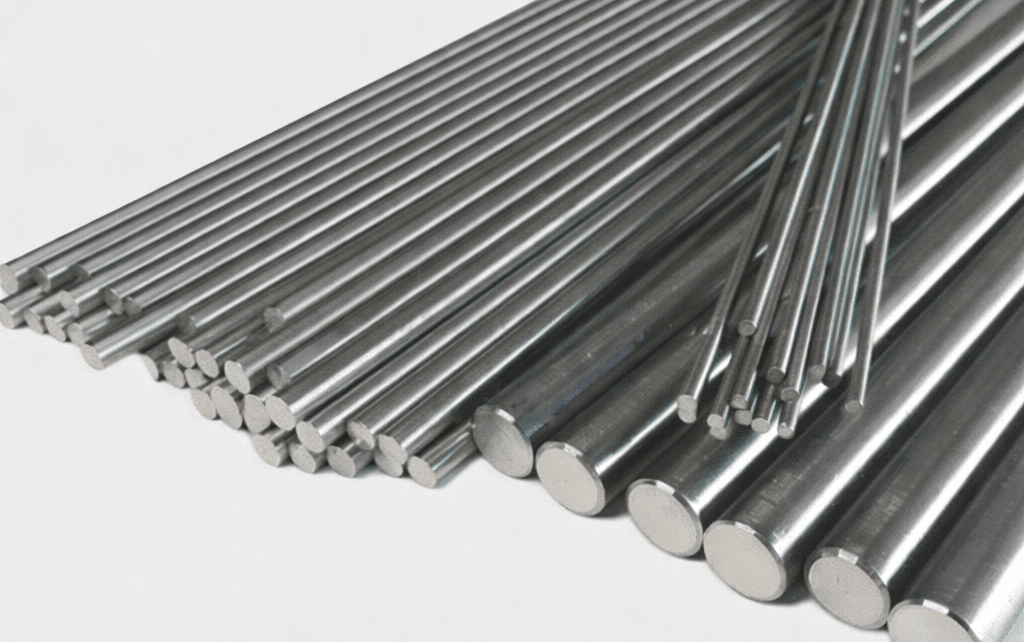
Titanium is one of the most important engineering materials used across aerospace, medical, marine, chemical, and industrial sectors. Known for its excellent strength-to-weight ratio, corrosion resistance, and thermal stability, titanium bars are widely used in applications where performance and durability are critical.
However, not all titanium bars are the same. Different grades are developed to meet specific industrial requirements based on strength, corrosion resistance, machinability, and operating conditions. Understanding these grades helps industries select the right material for long-term efficiency and reliability.
What Are Titanium Bars?
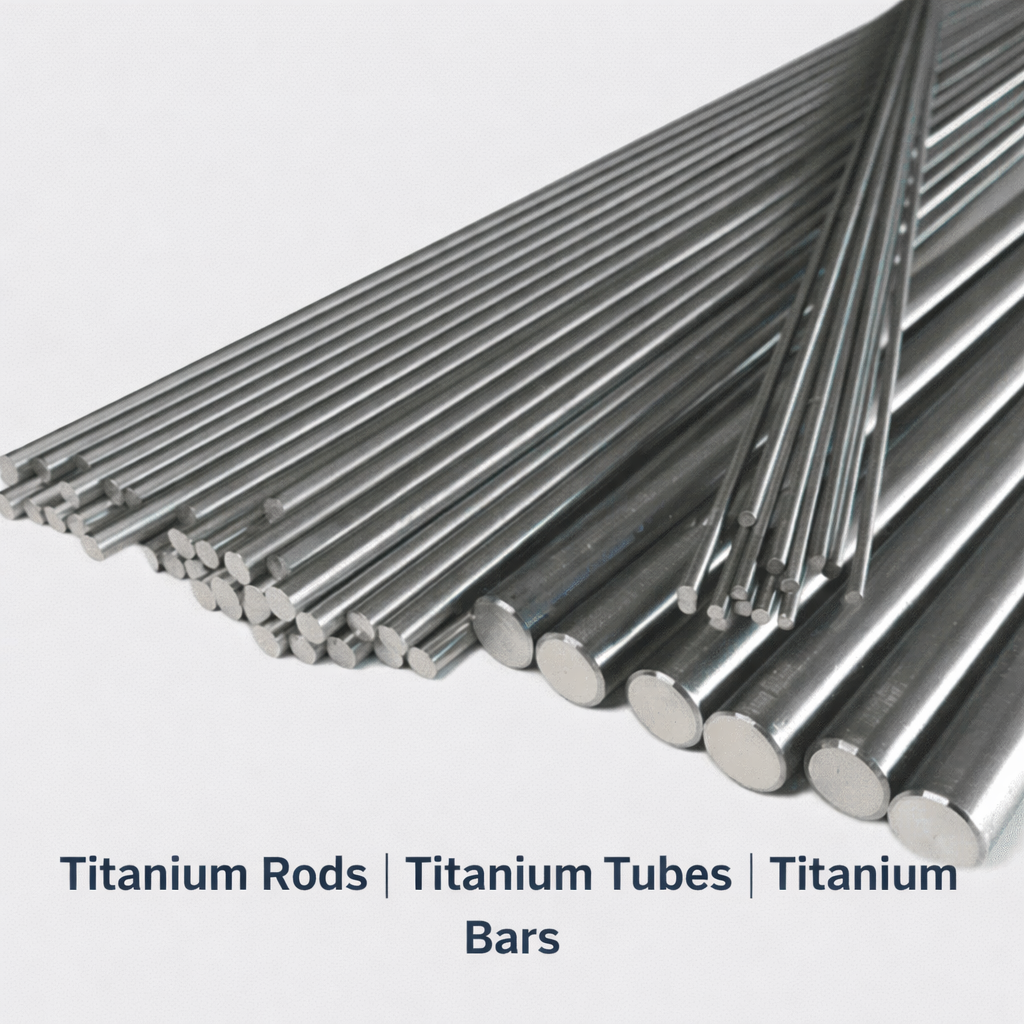
Titanium bars are solid metal products manufactured in various shapes and sizes for industrial and engineering applications. They are available as square bars, flat bars, hex bars, and the highly popular titanium round bar used in machining and fabrication industries.
A titanium metal bar offers lightweight strength, high corrosion resistance, and excellent mechanical properties, making it suitable for demanding environments where conventional materials may fail.
Why Industries Prefer Titanium Bars
Titanium is widely preferred because it combines high strength with low weight while resisting corrosion in harsh environments.
Major advantages include:
- Excellent corrosion resistance
- High temperature stability
- Lightweight compared to steel
- Strong mechanical performance
- Long operational life
- Good biocompatibility for medical applications
These properties make titanium bars ideal for advanced manufacturing and precision engineering industries.
Understanding Different Grades of Titanium Bars
Different grades of titanium are classified based on their chemical composition and mechanical characteristics. Each grade is designed for specific industrial applications.
Grade 1 Titanium Bars
Grade 1 is the softest and most ductile commercially pure titanium grade. It provides excellent corrosion resistance and formability.
Key Features:
- High corrosion resistance
- Excellent weldability
- Good flexibility and ductility
Common Uses:
- Chemical processing equipment
- Marine components
- Heat exchangers
- Desalination systems
Grade 1 titanium is often selected for applications where corrosion resistance is more important than high strength.
Grade 2 Titanium Bars
Grade 2 is one of the most widely used titanium grades in industrial applications. It offers a balanced combination of strength, corrosion resistance, and machinability.
Key Features:
- Moderate strength
- Excellent corrosion resistance
- Good fabrication properties
Common Uses:
- Aerospace components
- Pressure vessels
- Industrial piping systems
- Medical equipment
Many industries prefer Grade 2 titanium round bar products because of their versatility and cost-effective performance.
Grade 5 Titanium Bars (Ti-6Al-4V)
Grade 5 is the most popular titanium alloy grade and is widely used in high-performance engineering applications. It contains aluminum and vanadium, which significantly improve strength and heat resistance.
Key Features:
- Very high strength
- Excellent fatigue resistance
- Good high-temperature performance
Common Uses:
- Aerospace structures
- Aircraft engine parts
- Motorsport components
- Biomedical implants
Grade 5 is often used where superior mechanical performance and lightweight strength are essential.
Grade 7 Titanium Bars
Grade 7 titanium contains palladium, which enhances corrosion resistance in highly aggressive chemical environments.
Key Features:
- Outstanding corrosion resistance
- Strong chemical stability
- Good weldability
Common Uses:
- Chemical processing plants
- Acid handling systems
- Offshore marine equipment
Industries working with corrosive chemicals frequently use Grade 7 titanium bars for long-term reliability.
Grade 23 Titanium Bars
Grade 23 is a medical-grade titanium alloy derived from Grade 5 but with lower oxygen content. It provides excellent biocompatibility and fracture toughness.
Key Features:
- Superior biocompatibility
- High strength
- Excellent fatigue resistance
Common Uses:
- Surgical implants
- Dental applications
- Medical instruments
This grade is widely used in healthcare and biomedical industries.
Titanium Bars vs Titanium Steel Bar
Many industries compare titanium with steel for structural applications. A titanium steel bar may offer high strength, but titanium provides several advantages over conventional steel.
Titanium Advantages Over Steel:
- Much lighter weight
- Better corrosion resistance
- Higher resistance to seawater and chemicals
- Longer lifespan in harsh environments
Although titanium may involve a higher initial investment, its long-term durability and reduced maintenance requirements often provide better lifecycle value.
Factors Affecting Titanium Bars Price
The titanium bars price depends on several important factors, including:
- Titanium grade
- Bar dimensions and diameter
- Manufacturing process
- Surface finish requirements
- Custom machining needs
- Market demand and raw material costs
Alloy grades such as Grade 5 generally cost more than commercially pure grades because of their enhanced mechanical properties and specialized processing.
Importance of Reliable Titanium Bars Suppliers
Selecting experienced titanium bars suppliers is essential for ensuring product quality, accurate material certification, and dimensional precision.
Trusted suppliers provide:
- Certified raw materials
- Precision manufacturing
- Custom machining capabilities
- Consistent product quality
- Technical support and timely delivery
Reliable suppliers help industries maintain operational safety, efficiency, and long-term equipment performance.
Conclusion
Understanding different grades of titanium bars is important for selecting the right material for industrial applications. From commercially pure grades used in corrosion-resistant environments to high-strength alloys designed for aerospace and medical industries, each grade offers unique performance benefits.
Choosing a titanium metal bar for chemical processing or a high-strength titanium round bar for aerospace engineering requires selecting the correct grade to ensure durability, efficiency, and long-term reliability. Partnering with trusted titanium bars suppliers helps industries achieve consistent product quality and dependable performance in demanding applications.