
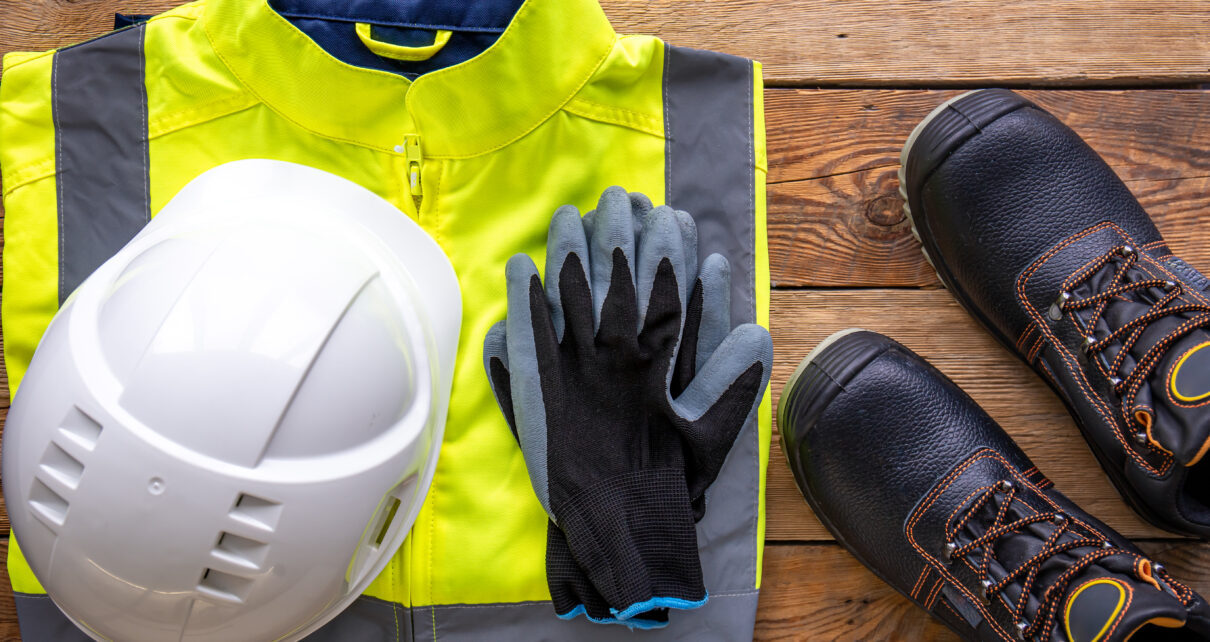
Workplace safety standards are changing rapidly in 2026 as businesses focus more on employee protection, compliance, and operational efficiency. From construction sites and manufacturing plants to healthcare facilities and warehouses, companies are investing in better safety protection equipment to reduce accidents and maintain safer working environments.
Modern workplaces now face multiple risks, including chemical exposure, airborne contaminants, electrical hazards, heavy machinery injuries, and slip-related accidents. This is why having a proper list of PPE safety equipment is no longer optional for businesses operating in high-risk environments.
What Is PPE Safety Equipment?
PPE safety equipment is personal protective equipment that is meant to protect employees against physical, chemical, electrical and biological threats in the workplace. Personal Protective Equipment, or PPE, is a catch-all term for things like helmets, gloves, safety goggles, respirators, protective footwear and high-visibility clothes.
Safety and personal protection equipment is meant to reduce the dangers of harm and to increase the safety of the worker engaged in typical activities. With the correct PPE, people may safely do their jobs with minimum exposure to risks in the workplace.
Businesses across all sectors utilize PPE to:
- Prevent workplace injuries
- Better compliance with safety regulations
- Reduce exposure to harmful substances
- Encouraging safer work practices
- Protecting Workers in Hazardous Environments
Why Is Personal Protective Equipment Important for Workplace Safety
Protective equipment is a crucial element in maintaining safe workplaces and avoiding unwanted accidents. Workers in dangerous situations require the right equipment to keep them safe from accidents and long-term health concerns.
According to the 2026 EHS Benchmarking Report, 45% of organizations reported an increase in workplace injury frequency, while 39% experienced higher injury severity compared to the previous year, highlighting the growing need for reliable PPE safety equipment across industries.
Advantages of PPE safety equipment:
- Fewer accidents and injuries at work
- Improved compliance with safety regulation
- Improved staff morale and efficiency
- Less downtime for operations
- Enhanced environmental threat protection
Workplace hazards can vary enormously from one position to another, thus sectors such as construction, manufacturing, logistics, oil and gas, healthcare and mining rely heavily on safety protective equipment.
What Are the Main Types of PPE Used in Different Industries
Different forms of PPE are needed in different jobs depending on the dangers involved in the operations. The most prevalent types include head, eye, respiratory, hand and foot protective devices.
| PPE Category | Primary Purpose | Common Industries |
| Head Protection | Prevent head injuries | Construction, Mining |
| Eye & Face Protection | Shield from debris and chemicals | Manufacturing, Welding |
| Respiratory Protection | Reduce airborne exposure | Healthcare, Industrial |
| Hand Protection | Prevent cuts and burns | Warehousing, Engineering |
| Foot Protection | Reduce impact and slip injuries | Logistics, Construction |
What Type of Head Protective Equipment Is Used in High-Risk Work Areas
Head injuries continue to be among the gravest hazards facing workers in industry. Proper head protection PPE reduces injury from falling objects, electrical risks, unintentional strikes.
Common head protection equipment includes:
- Hard hats
- Industrial safety helmets
- Electrical safety helmets
- Impact-resistant caps
| Equipment | Workplace Use |
| Hard Hats | Construction and heavy industry |
| Safety Helmets | Manufacturing facilities |
| Electrical Helmets | Electrical maintenance work |
| Bump Caps | Low-impact work environments |
What Eye and Face Protection Gear Helps Prevent Workplace Injuries
Eye and facial injuries can happen in a flash in workplaces involving exposure to dust, sparks, chemicals or flying particles. Proper protective equipment allows personnel to avoid major accidents and long-term visual loss.
Common protective gear includes:
- Safety goggles
- Face shields
- Welding helmets
- Chemical splash protection glasses
These are commonly used in:
- Welding environments
- Chemical processing units
- Manufacturing plants
- Construction sites
The choice of equipment by workers must always be dependent on the hazard level of their employment.
Which Respiratory Protection Equipment Is Recommended for Hazardous Environments
Respiratory protection equipment protects workers from breathing dangerous particles, gasses, fumes and airborne pollutants. Special respiratory safety equipment is needed for workers whenever they use chemicals or where there is a lot of dust.
Common respiratory protection equipment includes:
- Disposable Face Masks
- Half masks
- Full face respirators
- Powered air-purifying respirators (PAPR)
| Equipment Type | Protection Level | Common Application |
| Disposable Masks | Basic dust protection | Warehouses |
| Half-Face Respirators | Moderate protection | Painting work |
| Full-Face Respirators | High chemical protection | Industrial plants |
| PAPR Systems | Advanced respiratory safety | Healthcare |
What Hand and Foot Protection Equipment Should Employees Wear
Physically demanding industries often see injuries to hands and feet. Good gloves and protective boots can prevent cuts, burns, punctures, slips and impact injuries.
Hand Protection Equipment
Common types of gloves include:
- Cut-resistant gloves
- Chemical-resistant gloves
- Heat-resistant gloves
- Electrical safety gloves
Glove important features:
- Better grip
- Chemical resistant
- Thermal protection
- Foot Protection Gear
Foot Protection Equipment
Protective footwear commonly includes:
- Safety shoes (steel toe)
- Anti-slip shoe
- Electrical hazard shoes
- Waterproof Work Boots
These goods are commonly utilized in building, storage, logistics and manufacturing facilities.
How Should Employees Use Safety Equipment Correctly
Proper usage of safety equipment is crucial to ensuring a safe work environment. Even the best PPE might fail if personnel are using it wrong or not maintaining it correctly.
Best practices for PPE usage include:
- Choose equipment for dangers in the workplace
- Please make sure it fits before usage
- Regularly check equipment
- Damaged Goods Trade
- Store PPE in a clean dry place
- Follow manufacturer maintenance guidelines
What Common Mistakes Reduce PPE Effectiveness
Different work-related faults can degrade the efficiency of PPE safety equipment and raise the danger of injury.
Common mistakes include:
- Wearing equipment that doesn’t fit
- Use expired or damaged personal protective equipment
- bypassing routine inspections
- Improperly stored equipment
- Not following maintenance protocols
- Using the wrong PPE for specific hazards
To reduce the above problems and to create awareness on workplace safety, frequent training should be given to employees.
How Do PPE Requirements Change Across Different Industries
According to operational hazards, various sectors demand different kinds of safety and personal protection equipment.
| Industry | Common PPE Requirements |
| Construction | Hard hats, safety boots, gloves |
| Healthcare | Masks, gowns, face shields |
| Manufacturing | Eye protection, respirators |
| Logistics | High-visibility clothing, footwear |
| Chemical Processing | Respirators, chemical gloves |
For example, Healthcare personnel need respiratory and biological protection, construction workers need impact-resistant equipment
What Should Businesses Consider Before Purchasing PPE Equipment
Before buying PPE safety equipment companies need to look at product quality, safety certifications, comfort and how it fits into the workplace.
A few important things to consider before buying:
- Compliance with safety regulations
- Durability of equipment
- Employee comfort and usefulness
- Workplace hazard congruence
- Upkeep requirements
- Long-term cost effectiveness
Selecting the appropriate safety protection equipment helps with employee acceptance and workplace compliance.
Why Are PPE Policies Becoming More Important in 2026
As sectors face increasingly severe safety rules and a shifting terrain of worker risks, PPE policies are tightening. Businesses are now required to have up-to-date safety plans and supply personnel with dependable protection equipment.
Key factors influencing PPE policies include:
- Increased safety consciousness at work
- Revised compliance regulations
- Risks of ramping up industrial automation
- Greater demands for employee safety
- Focus on long-term occupational health,
Organizations with effective PPE regulations tend to have lower workplace incidents and improved operational efficiency.
Final Thoughts on Workplace Safety Equipment
Workplace safety regulations must be met by companies investing in dependable PPE safety equipment and training of employees. A properly thought-out list of PPE safety equipment helps decrease hazards, increase compliance and provide safer working conditions across sectors.
In 2026, with the continued evolution of workplace dangers, organizations will need to routinely examine their safety and personal protection equipment policies to guarantee personnel are protected in all operating environments.