
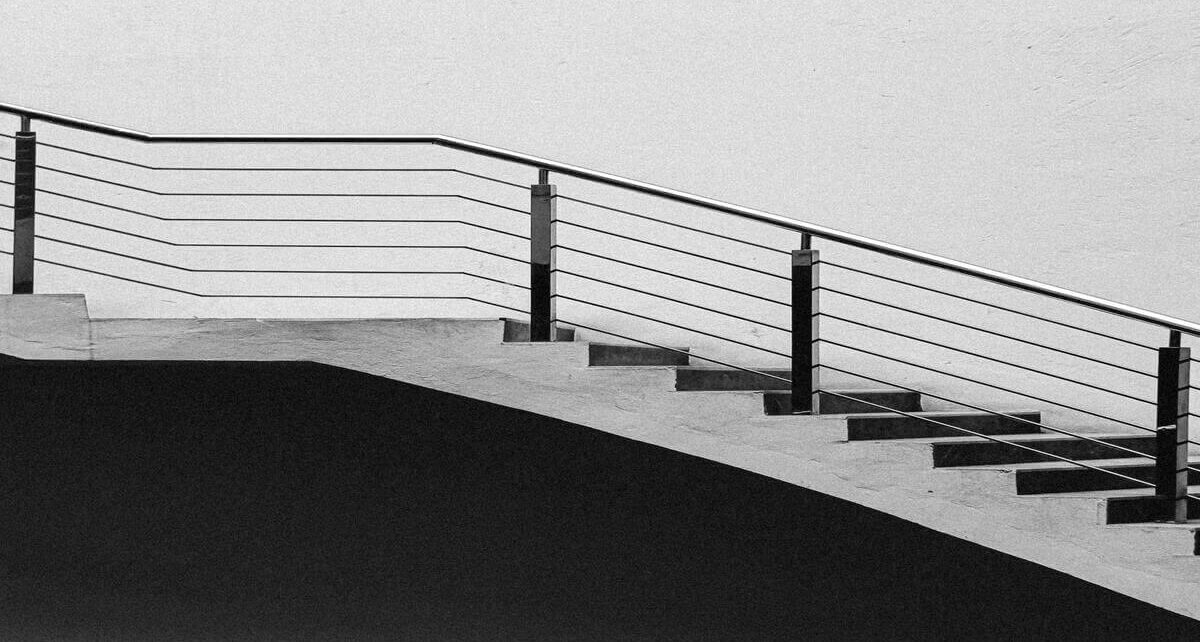
Have you ever walked onto a beautifully designed deck and wondered what makes the railing look almost invisible while still feeling incredibly solid? Getting that perfect balance between open views and structural safety usually comes down to the hardware holding everything together.
It seems that many property owners overlook the finer details of wire balustrade fittings until they are actually standing in the hardware aisle trying to make sense of the options. These small metal components do the heavy lifting in modern decking projects.
They keep cables taut and secure across various environments. Many people think any metal piece will do the job. The reality of outdoor architecture actually demands specific materials.
Exploring the types of fittings and their specific uses gives us a much clearer picture of how these safety barriers actually function in residential spaces.
Understanding Marine Grade Steel Durability
You often hear terms thrown around that sound impressive when looking at metal hardware exposed to the elements. It is perhaps wise to focus on the exact grading of the metal used.
Most superior systems rely on 316 marine-grade stainless steel for their structural components. Why this specific grade? It resists rust beautifully even when subjected to harsh coastal environments.
A sleek high polish finish or a modern satin finish can be chosen depending on the visual goal. This kind of long-lasting durability is what makes the system a low-maintenance and cost-effective solution for balconies and staircases over the long term.
You install it. You check the tension occasionally. You basically forget about it. That is the ideal scenario anyway. Sometimes, lower-grade metals sneak into the market. They rarely hold up against relentless salt air.
Essential Types of Wire Balustrade Fittings
Builders rely on specific 316 marine-grade stainless steel options to keep things tight and compliant.
Here are the main fitting types used across Australian residential sites:
- Rigging Screw Jaw to Swage: This provides the precise tension needed to stop dangerous cable sagging and maintains a neat finish.
- Swage Studs: These thread directly into timber posts. They hide the bulky hardware inside the wood, giving you a very clean look.
- Saddles: Builders use these to anchor wire to walls or corner posts where drilling straight through is impossible.
- Bottlescrews: These are basically enclosed turnbuckles. They are extremely popular for coastal Australian balconies because they leave fewer exposed threads for the salt to attack.
Getting the exact combination of these parts right is what makes the barrier truly secure.
Practical Uses for Wire Hardware
Where do builders actually install these stainless systems? You see them everywhere. People love adding them to outdoor timber decks and elevated balconies. They provide a low-maintenance safety solution.
People often install these setups indoors to secure open staircases. The hardware suits residential and commercial buildings perfectly. You attach everything to the existing timber posts and top rails.
You get clear views without sacrificing structural strength. Architects choose this exact hardware to create stylish visual barriers. You want an unobstructed view of your backyard. The metal cables deliver exactly that result.
Creating secure edges remains the absolute core function. People expect their contemporary balustrades to look sleek while meeting strict safety rules. You combine raw wood with clean steel components. Families enjoy safe outdoor spaces free from visual obstructions. These versatile fittings simply handle the entire job.
The Mechanics of Installation and Safety Requirements
People often debate whether installing these systems requires specialised architectural knowledge. The truth is somewhat nuanced.
Getting professional installation gives you real confidence, but tackling the actual job yourself remains very popular. People often buy complete hardware packages because they make the entire setup process incredibly simple.
Buying precut wire balustrade kits comes with detailed instructions and all the necessary stainless-steel components. This approach saves money and allows property owners to put their own practical skills to use.
Safety rules tell you exactly what gap you must leave between every wire and how tight you must keep them. The barrier simply cannot move if a child leans on the railing.
Rigging screws need careful calibration during the initial setup. You turn the jaw. The cable tightens. It feels secure. You test the deflection.
The swaging process basically fuses the wire to the fitting to create an anchor point that will not slip under pressure. It is generally understood that failing to use the correct tensioning tools will inevitably compromise the entire barrier. Measuring the exact tension ensures the system meets the rigid safety expectations required for elevated decks.
Conclusion:
Working out what parts you need for your deck does not need to be a massive headache. You basically just focus on getting the right metal. Choosing 316 marine-grade stainless steel means your barriers stay secure and looking great. It actually stops rust from forming, even if you live right by the beach. The metal is just the start, though.
Getting the tension right is what keeps the whole setup safe. Using a rigging screw jaw to swage system gives you that exact cable tension you need. Sorting these small details means you get a low-maintenance deck.