Most first-time itineraries to Iceland include the Blue Lagoon. It’s convenient, polished, and easy to access from the airport. But it’s not the whole story.
If you’re looking at Iceland Packages from Dubai, you’ll probably see the Blue Lagoon as a default stop. Fair enough. Just don’t stop there.
The real experience of Iceland’s hot springs is quieter, less structured, and often a bit unpredictable. Some require a hike. Some feel almost too simple. But those are usually the ones you remember.
Here are a few that are genuinely worth your time.
1. Sky Lagoon – Close to the City, Done Right
Just outside Reykjavik, Sky Lagoon is what the Blue Lagoon could have been if it leaned more into atmosphere than branding.
The infinity-edge pool faces the ocean. Steam rises slowly. There’s a quiet, almost meditative feel—especially in the evening.
I went just before sunset. The sky shifted from pale blue to grey to something warmer. No rush, no loud crowds.
What people miss:
The 7-step ritual (cold plunge, sauna, steam, etc.) is not a gimmick. Take your time with it.
2. Secret Lagoon – Simple, Honest, and Underrated
Located in Fludir, the Secret Lagoon doesn’t try too hard.
No dramatic architecture. No luxury branding. Just a naturally heated pool, a few bubbling geothermal spots nearby, and a steady, relaxing warmth.
It’s one of the oldest swimming spots in Iceland, and it feels like it.
Where trips often go wrong:
People rush in and out. Stay longer. The experience builds slowly.
3. Reykjadalur Hot Spring Thermal River – Worth the Walk
This one takes effort.
About a 45–60 minute hike from Hveragerdi, Reykjadalur is not something you casually stop by. But once you reach the valley, you’ll find a warm river cutting through open landscape.
You pick your spot. Sit where the temperature feels right. No fences, no structure.
I remember testing different sections of the river until I found the perfect balance—not too hot, not too cold.
Small warning:
Weather changes fast. Bring layers, even if it looks calm when you start.
4. Mývatn Nature Baths – A Quieter Alternative Up North
Near Lake Myvatn, this is often called the “Blue Lagoon of the north,” but that comparison doesn’t really do it justice.
It’s less crowded, more relaxed, and feels more connected to the surrounding landscape.
The water has that same milky blue tone, but the atmosphere is calmer. Fewer people taking photos. More people just sitting quietly.
Best time to go:
Late evening. Fewer crowds, softer light.
5. Landmannalaugar Hot Springs – Remote and Raw
This is not an easy stop.
Located in the Icelandic Highlands, Landmannalaugar requires a proper plan—often a 4×4 vehicle or guided tour. But the setting is unmatched.
Colorful rhyolite mountains, open terrain, and a natural hot pool that feels like it belongs there.
I sat here after a long hike, legs tired, completely quiet surroundings. No background noise. Just wind and water.
Important:
Access depends heavily on season. Roads are often closed outside summer.
6. Seljavallalaug Pool – Not a Hot Spring, But Still Worth It
This one is different.
Seljavallalaug is a man-made pool tucked into a narrow valley near Seljalandsfoss. It’s not naturally hot, but geothermal runoff keeps it warm enough.
The setting is what makes it special. Mountains on both sides. A short walk to get there.
Honest take:
It’s not the cleanest or most comfortable, but it feels real. Less curated, more authentic.
7. Hrunalaug Hot Spring – Small, Quiet, Easily Missed
Hrunalaug is easy to overlook.
It’s small—just a few people can fit at a time—but that’s part of the appeal. A simple pool, a small changing hut, and open countryside around you.
I arrived early in the morning. No one else there. Just steam rising slowly.
Most people miss this:
They skip it because it’s not “famous.” That’s exactly why it works.
How to Approach Hot Springs in Iceland
Here’s where expectations often need adjusting.
1. Not All Springs Are the Same
Some are fully developed (Sky Lagoon). Others are basic (Hrunalaug). Both have value—just different experiences.
2. Respect Local Etiquette
Shower before entering. It’s taken seriously in Iceland.
3. Weather Changes Everything
A hot spring in the rain feels completely different from one in clear skies. Sometimes better, sometimes not.
4. Don’t Overpack Your Day
Trying to visit multiple springs in one day usually backfires. Pick one. Stay longer.
Best Time to Visit
- Summer (June–August): Easier access to remote locations like Landmannalaugar
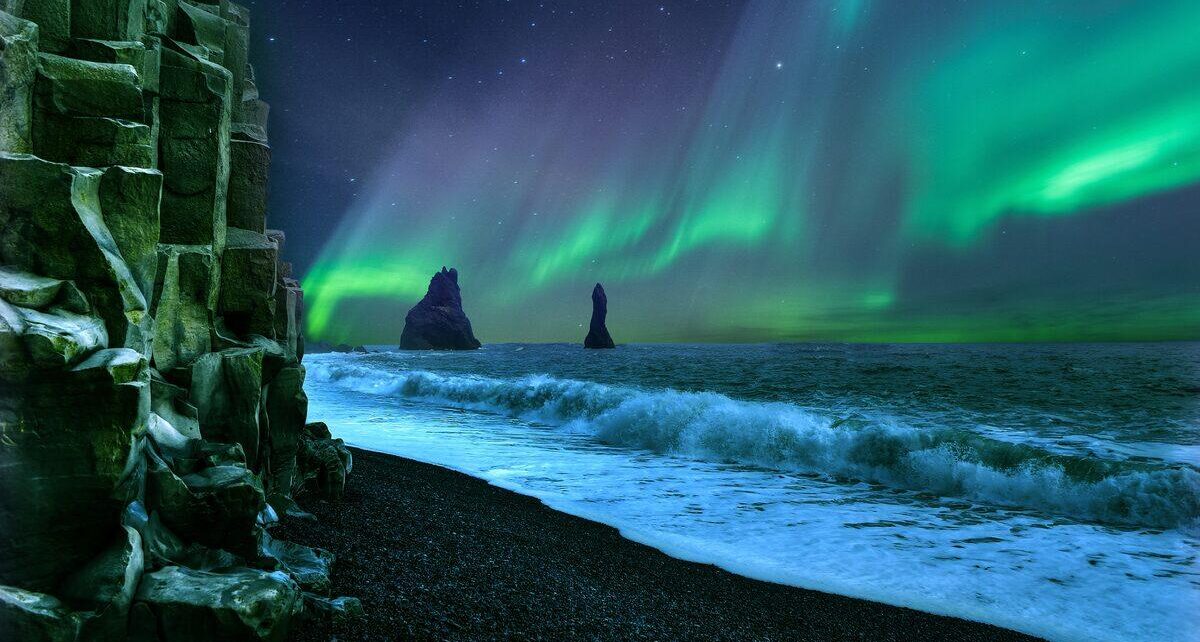
- Winter (November–March): Strong contrast—cold air, warm water, possible Northern Lights
- Shoulder seasons (April, September): Fewer crowds, mixed conditions
Most people miss this:
Winter soaks feel more intense. But they require better planning.
Fitting This Into Your Trip
If you’re exploring Iceland Packages from Dubai, don’t treat hot springs as quick stops between attractions.
Build your day around one. Let it slow you down.
Combine:
- A scenic drive
- One hot spring
- Time to just sit and do nothing
That’s when it works best.
Conclusion
The Blue Lagoon is easy. These places take a bit more effort.
But that effort changes the experience. You’re not just visiting a spa—you’re stepping into something that feels tied to the land, the weather, and the moment.
Some are quiet, others are rugged, and some are barely marked on the map.
If you choose well and don’t rush, these hot springs can become the part of your Iceland trip you remember most.
Not because they were perfect—but because they felt real.
FAQs
1. Are natural hot springs safe in Iceland?
Yes, but always check local guidance. Some areas can be too hot or unstable.
2. Do I need to pay for all hot springs?
No. Some are free (like Reykjadalur), while others charge entry fees.
3. Can I visit hot springs in winter?
Yes, and it’s often more memorable—but conditions can be harsher.
4. What should I bring to a hot spring?
Swimwear, towel, flip-flops, and warm clothes for after.
5. Are these hot springs crowded?
Some are. Others, especially remote ones, can be nearly empty.
6. Is it okay to visit multiple springs in one day?
You can, but it’s better to focus on one or two and enjoy them properly.
7. Are showers mandatory before entering?
Yes. It’s part of Icelandic bathing culture and expected everywhere.