
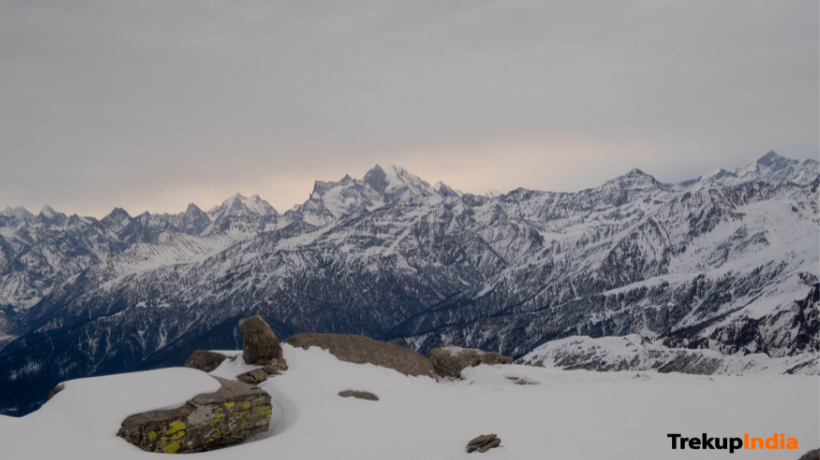
The Kedarkantha Trek is widely known as one of the best winter treks in India, but calling it only a “winter trek” is misleading. In reality, Kedarkantha transforms dramatically across the year. The trail, snow conditions, difficulty level, and overall experience change so much from month to month that it almost feels like a different trek each season.
Choosing the right time is not just about whether you will see snow or not. It directly impacts how difficult the trek feels, how safe the trail is, how much energy you expend, and whether you will actually enjoy the experience you came for. This guide explains Kedarkantha in a technically accurate and practical way so you can choose the best time based on real conditions, not assumptions.
Understanding Kedarkantha Trek from a Technical Perspective
The Kedarkantha Trek reaches an altitude of around 12,500 feet and passes through dense pine forests, open meadows, and a final summit ridge that is exposed to wind. Unlike rocky Himalayan treks, this trail is largely soil-based and forest-covered, which makes it highly sensitive to seasonal changes.
In winter, snow completely transforms the trail structure, making it more stable in some cases and more demanding in others. During warmer months, the same trail becomes dry and predictable, significantly reducing difficulty. This is why timing plays such a critical role here compared to many other treks.
December: Beginning of Snow Season
December marks the arrival of snowfall in Kedarkantha, especially from mid-month onward. The forests begin to turn white, and the entire landscape starts resembling the classic winter images that attract most trekkers.
However, from a technical standpoint, December snow is usually fresh and soft. This type of snow, often called powder snow, looks beautiful but makes walking harder because your feet sink deeper into it. In early batches, the trail may not even be properly formed, which means trekkers expend more energy breaking the path.
This month is ideal if your goal is to witness fresh snowfall and enjoy a raw winter environment, but it may not be the most efficient or easiest time to trek.
January: Best Month for Kedarkantha Trek
January is widely considered the best time for the Kedarkantha Trek, and this is not just because of popularity. There is a strong technical reason behind it. By this time, the snow on the trail has gone through multiple freeze and thaw cycles, which compresses it and makes it more stable.
This compacted snow provides better grip and reduces the chances of your feet sinking deeply. As a result, walking becomes more efficient and less exhausting compared to December. The trail is also well-defined due to repeated trekking groups, which further improves safety and navigation.
The only real challenge in January is the cold. Night temperatures can drop significantly, and early morning summit pushes can be physically demanding due to freezing conditions. Despite this, January offers the most balanced and reliable snow trekking experience.
February: Deep Snow with Slight Complexity
February continues the winter experience but introduces slightly more complex snow conditions. By now, the snow depth is usually at its peak, and fresh snowfall may add new layers over the existing base.
This layering can sometimes create uneven surfaces, especially on slopes, making the trek slightly more demanding than January. While it is still an excellent month for snow lovers, it requires more effort and attention while walking.
Trekkers who want deeper snow and a more immersive winter experience often prefer February, but beginners may find it a bit more tiring compared to January.
March: Transition from Snow to Slush
March is often misunderstood. While many assume it still offers a good snow experience, the reality is more complicated. As temperatures rise, the snow starts melting during the day and refreezing at night.
This creates a mix of hard ice in the morning and slushy snow by afternoon. Slush is particularly exhausting to walk on because it lacks firmness, causing your feet to sink and slide at the same time. It also increases the chances of wet shoes, which can lead to discomfort and cold-related issues.
March is not ideal if you are looking for clean snow trekking or an easy walking experience. It falls in an in-between zone where conditions are less predictable.
April: End of Snow Season
By April, most of the snow has melted, especially in the lower sections of the trek. Only patches remain near the summit. The landscape starts transitioning into spring, with greenery slowly returning and rhododendron flowers beginning to bloom.
From a technical perspective, this phase can be slightly tricky because the trail becomes uneven. You may encounter a mix of mud, loose soil, and residual snow, which increases the risk of slipping in certain sections.
While the weather becomes more comfortable, the trek loses its winter charm and does not yet offer the full benefits of a stable summer trail.
May to June: Stable and Beginner-Friendly Season
May and June bring completely snow-free conditions to Kedarkantha. The trail becomes dry, firm, and easy to navigate. This is the most beginner-friendly phase, as the risk of slipping is minimal and the terrain is predictable.
The forests are lush and green, and the weather remains pleasant during the day. This makes it a great time for those who want a relaxed trekking experience without dealing with extreme cold or technical challenges.
However, it is important to understand that this is no longer the “snow trek” version of Kedarkantha. The experience is calmer and less dramatic compared to winter.
July to August: Monsoon and High Risk
During the monsoon months, Kedarkantha becomes unsuitable for trekking. Continuous rainfall affects both the approach roads and the trail itself. The route to Sankri can be prone to landslides, and the forest trails become slippery and unstable.
Visibility is also significantly reduced due to cloud cover, which means you are unlikely to enjoy mountain views. From a safety and experience perspective, this period is best avoided entirely.
September: Clear Skies and Fresh Landscapes
September marks the end of monsoon and the beginning of one of the most visually rewarding periods. The air becomes clear, and the mountains appear sharp and well-defined.
The trails are stable and relatively easy to walk on, making this a comfortable trekking window. This is an excellent time for photography and for those who value mountain views over snow.
October: Best Non-Snow Trekking Month
October is arguably the best month for trekking Kedarkantha without snow. The weather is stable, the skies are clear, and the trails are in their best condition.
Walking becomes highly efficient due to dry and firm ground, and the overall trekking experience feels smooth and predictable. If your priority is comfort, visibility, and ease rather than snow, October is an ideal choice.
November: Pre-Winter Transition
November acts as a transition into winter. Temperatures begin to drop, especially at night, and occasional early snowfall may occur toward the end of the month.
The ground starts hardening due to cold conditions, which can make walking easier in some sections. However, thin ice patches may begin to form, requiring a bit more caution.
This month offers a quieter trekking experience before the winter rush begins.
How to Choose the Best Time for Kedarkantha Trek
The best time depends entirely on what kind of experience you want. If your goal is to experience snow in its most stable and enjoyable form, January stands out as the best choice. If you want fresh snowfall and a more raw winter feel, late December is a good option.
For those who prefer easy trekking conditions without snow, May, June, and October are far more suitable. If your focus is on clear mountain views and photography, September and October offer the best visibility.
Understanding your priority is more important than following a generic “best month” recommendation.
Costing Factors: What Actually Affects Price
The cost of the Kedarkantha Trek varies based on several technical and operational factors rather than just the season itself. Winter treks are generally more expensive because they require additional logistics, such as snow gear, experienced guides, and stronger safety systems.
Another important factor is demand. Peak winter months see a surge in trekkers, which naturally increases prices. However, a higher price does not always guarantee better quality.
What truly matters is how the trek is conducted. A reliable operator invests in trained leaders, proper equipment, and emergency preparedness. Cheaper options often cut corners in these areas, which can compromise safety, especially in winter conditions.
Why Choose Trekup India for Kedarkantha Trek
When planning the Kedarkantha Trek, choosing the right trekking company is just as important as choosing the right time. Trekup India is known as a trusted trekking company in India and Nepal, with a strong reputation for safety, professionalism, and well-organized treks.
Their approach focuses on proper acclimatization, experienced trek leaders, and high-quality logistics, ensuring that trekkers have a safe and enjoyable experience even in challenging winter conditions.
Final Verdict
Kedarkantha is not a one-season trek. It offers multiple versions of itself throughout the year, each with its own advantages and challenges.
January remains the best overall month for a classic snow trekking experience due to stable conditions. October stands out for non-snow trekking with excellent visibility and comfort. December and February offer strong winter experiences but come with slightly higher effort levels.
The right choice ultimately depends on whether you prioritize snow, ease, views, or overall experience. Making that decision based on real trail conditions will ensure that your Kedarkantha Trek is not just successful, but truly memorable.