
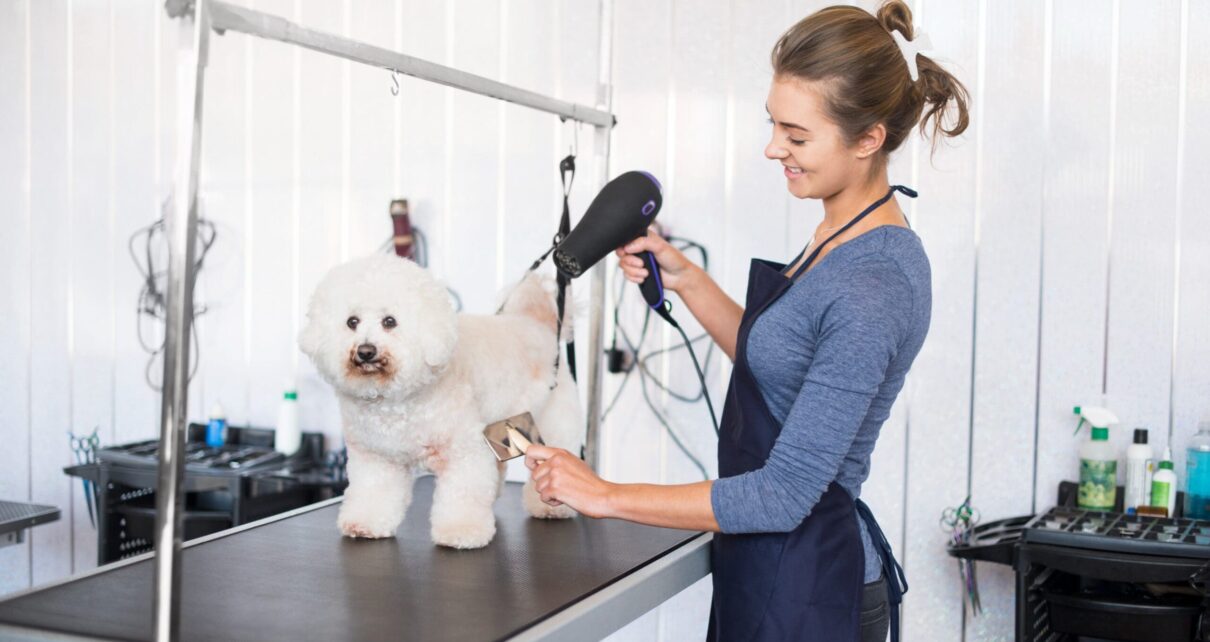
A well-maintained coat is often associated with aesthetics, but its importance extends far beyond appearance. Proper coat care supports skin health, temperature regulation, circulation, and early identification of medical concerns. When grooming is inconsistent or handled improperly, minor issues such as dryness or matting can progress into infections, discomfort, and behavioral changes. Professional grooming ensures that hygiene becomes part of a dog’s preventive health routine rather than an occasional cosmetic task.
Many pet owners underestimate how structured Dog Grooming sessions contribute to long-term wellness. During these appointments, trained groomers perform a systematic evaluation of the coat and skin. They check for parasites, inflammation, unusual lumps, shedding irregularities, and coat texture changes. These subtle signs can indicate allergies, hormonal imbalances, or nutritional deficiencies. By addressing early indicators, professional grooming reduces the likelihood of advanced dermatological conditions that require medical intervention.
Temperature regulation is one of the most overlooked benefits of proper coat maintenance. Dogs rely heavily on their skin and fur to manage body heat. Overgrown, matted fur traps heat in warmer months and restricts airflow to the skin, increasing the risk of overheating and skin irritation. Conversely, appropriate trimming—without over-shaving—helps maintain the protective function of the coat. Professional groomers understand breed-specific requirements and adjust trimming techniques to preserve natural insulation while preventing heat retention.
Circulation improvement is another significant advantage. Brushing stimulates blood flow to the skin surface, encouraging healthy hair growth and distributing natural oils evenly throughout the coat. These oils form a protective barrier against environmental irritants such as dust, pollutants, and allergens. When oil distribution is uneven due to lack of brushing, the skin becomes either excessively dry or overly greasy, both of which can trigger infections. Regular grooming restores balance and promotes a healthier skin ecosystem.
Skin infections often begin in hidden areas—behind the ears, under the collar, between paw pads, or beneath dense fur layers. Professional groomers carefully inspect these high-risk zones during bathing and drying. Moisture trapped in such areas can lead to fungal growth or bacterial hotspots. Thorough drying with appropriate equipment prevents lingering dampness, a common cause of recurring skin issues. Additionally, ear cleaning performed correctly reduces the chances of yeast buildup, particularly in breeds prone to ear infections.
Another key benefit is stress reduction through structured handling. Dogs that are regularly groomed become accustomed to being touched, examined, and handled in sensitive areas. This familiarity makes future veterinary examinations smoother and less stressful. Grooming sessions reinforce tolerance for nail trimming, ear inspection, and oral checks, which are essential components of overall health maintenance. Early exposure to professional grooming environments also helps puppies develop confidence and reduces anxiety as they mature.
Coat maintenance plays a direct role in preventing parasite infestations. Fleas and ticks thrive in dense, neglected fur where they can remain undetected. Groomers use fine-toothed combs and visual inspections to identify early signs of infestation. Quick identification prevents the spread of parasites within the home and reduces the risk of flea allergy dermatitis, anemia, or tick-borne illnesses. Preventive detection is far more effective than reactive treatment after infestation has progressed.
At Vetic, grooming services are structured to support overall canine health rather than focusing solely on cosmetic outcomes. Professional handling, hygienic protocols, and systematic inspection ensure that each grooming session contributes meaningfully to preventive care. This comprehensive approach bridges the gap between hygiene and medical awareness, creating a more proactive model of pet wellness.
Long-term coat care also enhances mobility and comfort. Matted fur pulls at the skin, causing discomfort during movement and sometimes restricting natural motion. Dogs may scratch excessively or become irritable due to underlying discomfort that owners cannot easily detect. Regular trimming and detangling eliminate tension on the skin, improving posture and physical ease. Comfortable dogs are more active, engaged, and behaviorally balanced.
Ultimately, routine grooming strengthens the first line of defense against environmental irritants, infections, and parasites. Healthy skin acts as a barrier that protects internal systems from harmful pathogens. When coat care becomes consistent and professionally managed, dogs experience fewer dermatological issues, improved comfort, and better overall resilience. Grooming is not merely an aesthetic decision—it is a preventive health strategy that safeguards long-term well-being.
Prioritizing structured grooming ensures that potential problems are addressed early, hygiene remains optimal, and dogs maintain a balanced, healthy coat throughout every stage of life.