
Introduction: Why Marine Fire and Safety Systems Matter
For vessel owners operating in busy and high-risk maritime environments, fire safety is not optional—it is essential. Working with a reliable marine fire and safety company in uae ensures that vessels are protected against onboard fire hazards while meeting strict regional and international safety standards. Fires at sea can escalate rapidly due to fuel systems, electrical equipment, and confined spaces, making prevention and rapid response critical.
This beginner’s guide explains marine fire and safety systems in simple terms, helping vessel owners understand their purpose, components, benefits, and regulatory importance—especially within UAE waters.
Understanding Marine Fire and Safety Systems
What Are Marine Fire and Safety Systems?
Marine fire and safety systems are integrated safety solutions designed to detect, control, and suppress fires onboard vessels. These systems work automatically or semi-automatically to protect crew, cargo, and the vessel itself.
They are designed to operate effectively in challenging marine conditions such as vibration, humidity, temperature fluctuations, and salt exposure. Proper installation and maintenance ensure that these systems respond instantly during emergencies.
Common Fire Risks on Marine Vessels
Engine Room Hazards
Engine rooms are among the most fire-prone areas on a vessel due to fuel lines, lubricants, and high temperatures. A minor leak or overheating component can quickly trigger a fire if not detected early.
Electrical System Failures
Faulty wiring, overloaded circuits, and aging electrical components can cause sparks or overheating, leading to fire outbreaks.
Cargo and Storage Areas
Certain cargo types, chemicals, or improperly stored materials can increase fire risk, especially in enclosed spaces with limited ventilation.
Understanding these risks highlights why a well-designed fire safety system is vital for every vessel owner.
Key Components of Marine Fire and Safety Systems
Fire Detection Systems
The first line of protection is a fire detection system. They use smoke detectors, heat sensors, or flame detectors to identify fire hazards at an early stage. Once triggered, alarms alert the crew immediately, allowing rapid response before the fire spreads.
Fire Suppression Systems
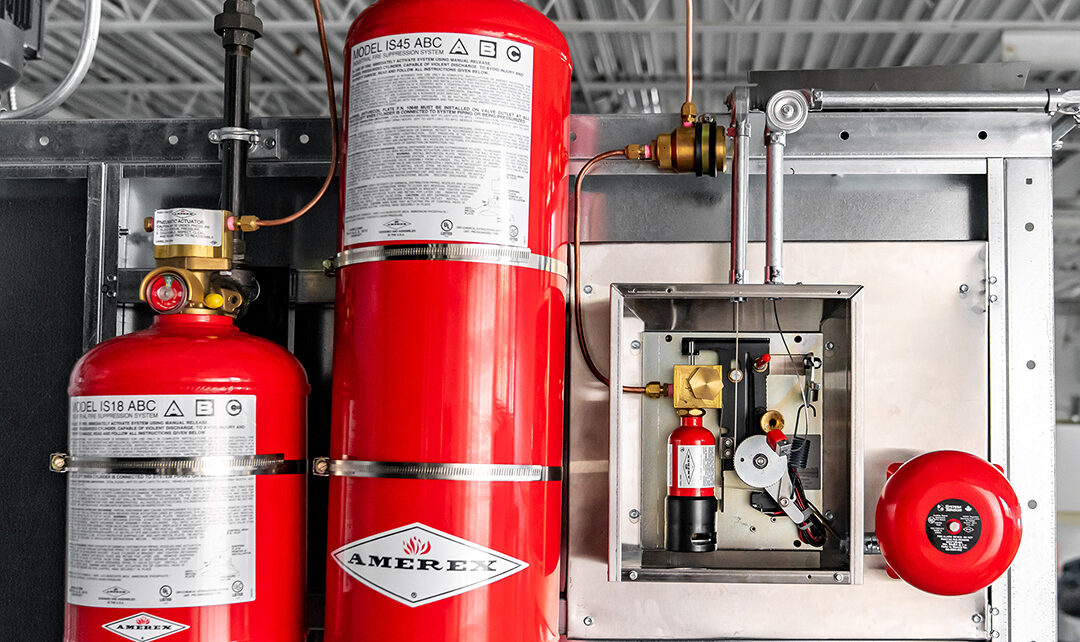
Fire suppression systems are made to automatically put out or manage fires. These systems can be installed in engine rooms, accommodation areas, cargo spaces, and other high-risk zones.
Automated suppression minimizes human exposure to danger and significantly reduces damage during emergencies.
Firefighting Equipment
Portable firefighting equipment such as extinguishers, fire hoses, and protective gear allows crew members to respond manually when safe to do so. These tools act as a secondary layer of defense alongside automated systems.
Emergency Alarm and Control Panels
Centralized control panels monitor fire safety systems and display alerts in real time. These panels help crew members identify the affected area quickly and coordinate emergency procedures efficiently.
Benefits of Marine Fire and Safety Systems for Vessel Owners
Enhanced Crew Safety
The primary benefit of marine fire safety systems is protecting human life. Early detection and automated suppression reduce evacuation risks and improve response times during critical situations.
Protection of Assets
Fires can cause extensive damage to vessels, cargo, and onboard equipment. Effective fire safety systems minimize losses and reduce repair costs.
Reduced Operational Downtime
Fire incidents often lead to lengthy repairs and inspections. Preventive fire safety systems help avoid disruptions, ensuring vessels remain operational and on schedule.
Insurance and Compliance Advantages
Vessels equipped with certified fire safety systems are more likely to meet insurance requirements and pass safety audits without delays.
Importance of Compliance in UAE Waters
UAE Maritime Safety Regulations
The UAE enforces strict maritime safety regulations aligned with international standards. Vessels operating in UAE ports or offshore areas must comply with fire safety requirements to avoid penalties or detentions.
Inspection and Certification Requirements
Fire safety systems must be inspected regularly and maintained according to regulatory guidelines. Automated systems help maintain accurate safety records, making inspections smoother and more predictable.
Partnering with an experienced marine fire and safety company in uae helps vessel owners navigate compliance requirements with confidence.
Maintenance and Inspection: Why They Matter
Routine System Checks
Fire safety systems require periodic testing to ensure detectors, alarms, and suppression mechanisms function correctly when needed.
Preventing System Failure
Neglecting maintenance can result in faulty alarms or ineffective suppression during emergencies. Regular servicing reduces the risk of system failure.
Extending Equipment Lifespan
Proper maintenance extends the life of fire safety equipment, maximizing return on investment and ensuring long-term reliability.
Common Misconceptions About Marine Fire Safety
“Fire Safety Systems Are Only Needed for Large Ships”
Fire risks exist on all vessels, regardless of size. Smaller vessels can be just as vulnerable and often have fewer escape options.
“Manual Equipment Is Enough”
While portable firefighting tools are important, they cannot replace automated detection and suppression systems that act instantly.
“Maintenance Can Be Delayed”
Fire safety systems must always be operational. Delayed maintenance can lead to non-compliance and increased risk.
Choosing the Right Fire Safety Approach
Vessel owners should assess their vessel type, operating conditions, and regulatory requirements when planning fire safety systems. Custom solutions ensure that every risk area is adequately protected without unnecessary complexity.
Training crew members on fire response procedures is equally important, as human readiness complements automated protection.
Conclusion: A Smart Investment for Vessel Safety
Marine fire and safety systems are essential for protecting lives, assets, and operations at sea. For beginner vessel owners, understanding these systems is the first step toward building a safer and more compliant maritime operation.
By working with a trusted marine fire and safety company in uae, vessel owners can ensure proper system design, installation, and maintenance—creating a safer future for both crew and cargo.
Fire safety is not just a requirement; it is a responsibility every vessel owner must take seriously.